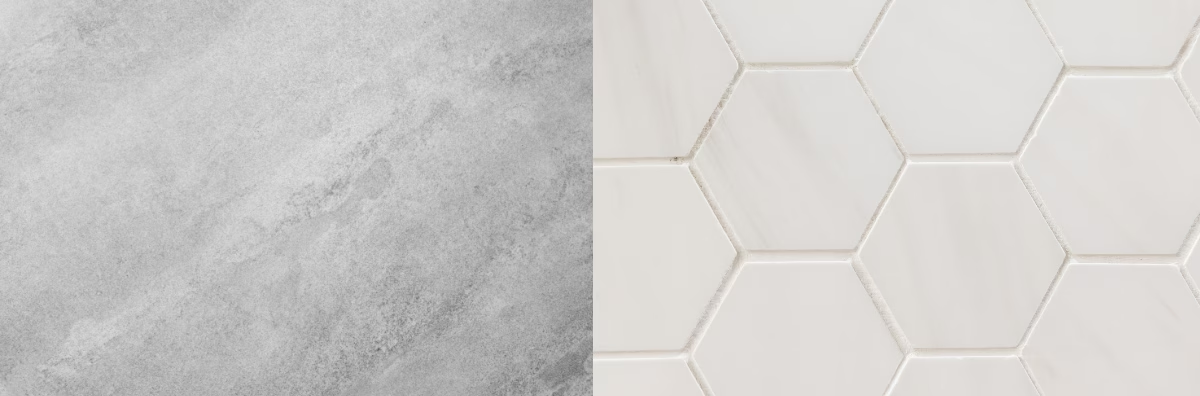
When renovating a bathroom, one of the biggest questions is: microcement vs tiles: which is the better choice? For years, tiles have been the go-to option. But there’s a new contender on the rise: microcement. At Tunde Hendricks Design, we’re often asked which is better, microcement or tiles, and the answer depends on your style, budget, and needs. Let’s explore the pros, cons, and key considerations for both, so you can make the best decision for your home or investment property in the UAE.
What Is Microcement?
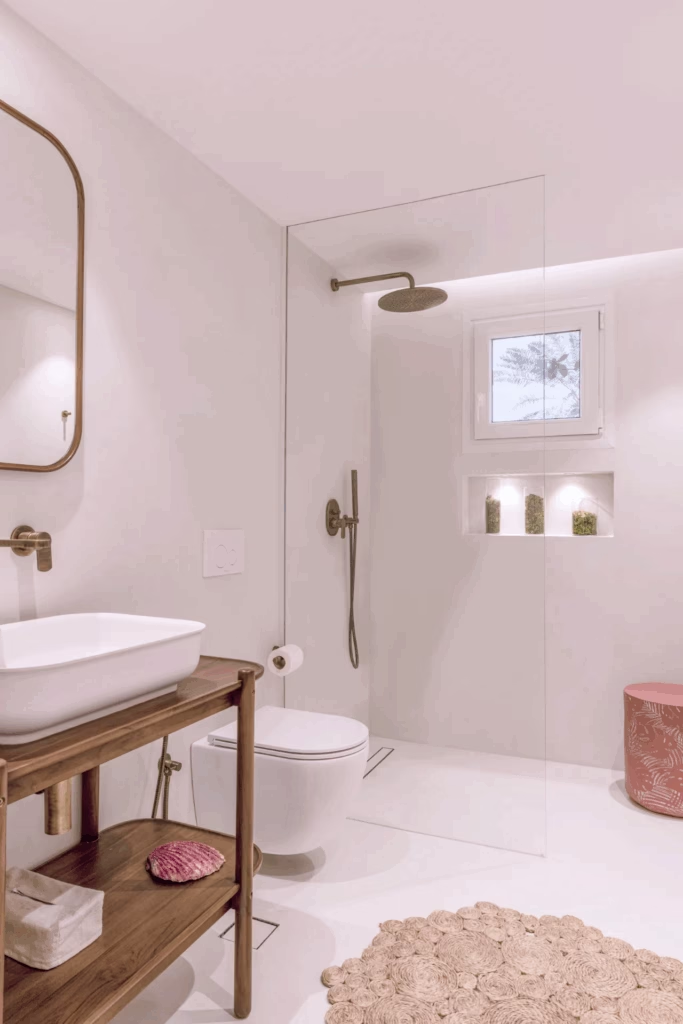
Microcement is a thin, cement-based coating applied to walls, floors, and even ceilings. It’s seamless, waterproof, and available in a wide range of finishes. It is therefore the perfect choice to create a perfect modern, minimalist aesthetic.
Microcement in Bathrooms: The Benefits
- Seamless Finish
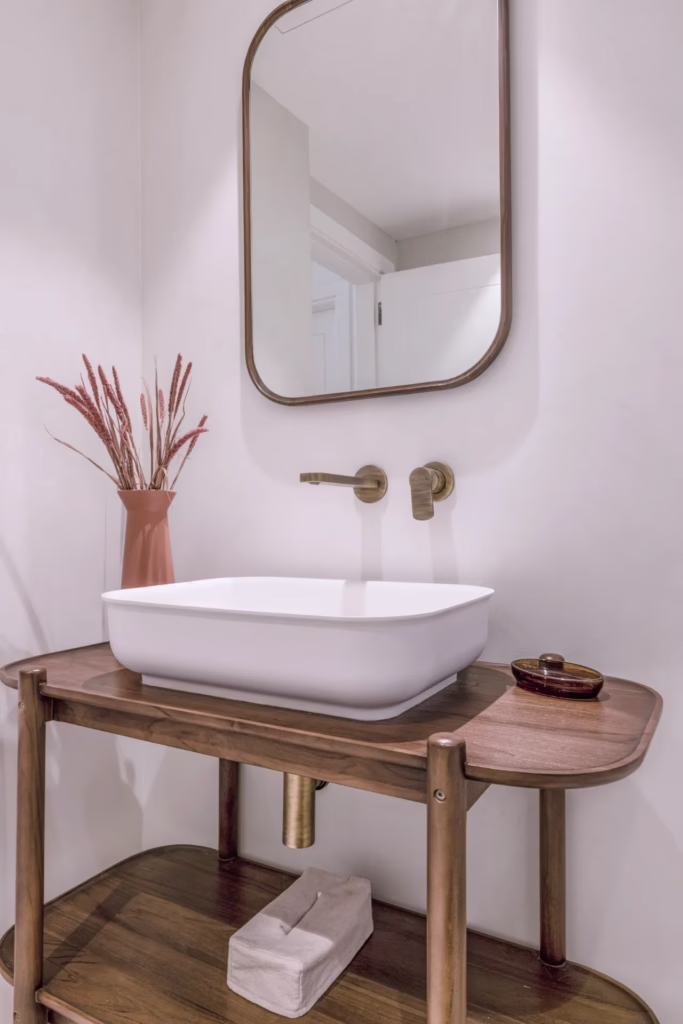
No grout lines means a sleek, uninterrupted surface. This is ideal for contemporary bathrooms. - Waterproof & Mould-Resistant
When correctly sealed, microcement is completely waterproof, making it perfect for wet areas like showers. Mold resistance is absolutely essential for bathrooms in the UAE’s humid climate. However, application is everything. Poor workmanship can lead to cracks, water seepage, and costly repairs. Always choose a professional who understands the correct layering and sealing process. - Low Maintenance
Without grout to scrub, cleaning is quick and easy. - Customisable Look
Choose from matte, satin, or gloss finishes in a variety of colours and textures. - Heat & UV Resistant
Suitable for sunny, high-temperature environments typical in the Emirates. - Perfect for Renovations
It is applied directly over existing tiles, saving time, mess, and demolition costs.
Microcement: The Drawbacks
Despite its sleek appearance, microcement does have some limitations:
- Prone to cracks and scratches, especially with structural movement or poor application
- Stains easily, even when sealed
- Requires skilled professionals for proper durability
- Not as durable long-term compared to high-quality tiles
Tiles in Bathrooms: The Pros
- Wide Range of Styles
Tiles offer endless design options, from classic metro tiles to bold patterns and textures. - Durable
High-quality tiles are hard-wearing and resistant to scratches and stains.They are known for their strength and long-lasting appeal in busy households. - Cost Flexibility and Availability
Whether you’re designing a luxury en-suite or a rental apartment bathroom, there’s a tile option to suit your budget. They are easy to find and source. - Traditional Look with Modern Updates
Tiles offer both classic charm and contemporary patterns to suit any aesthetic.
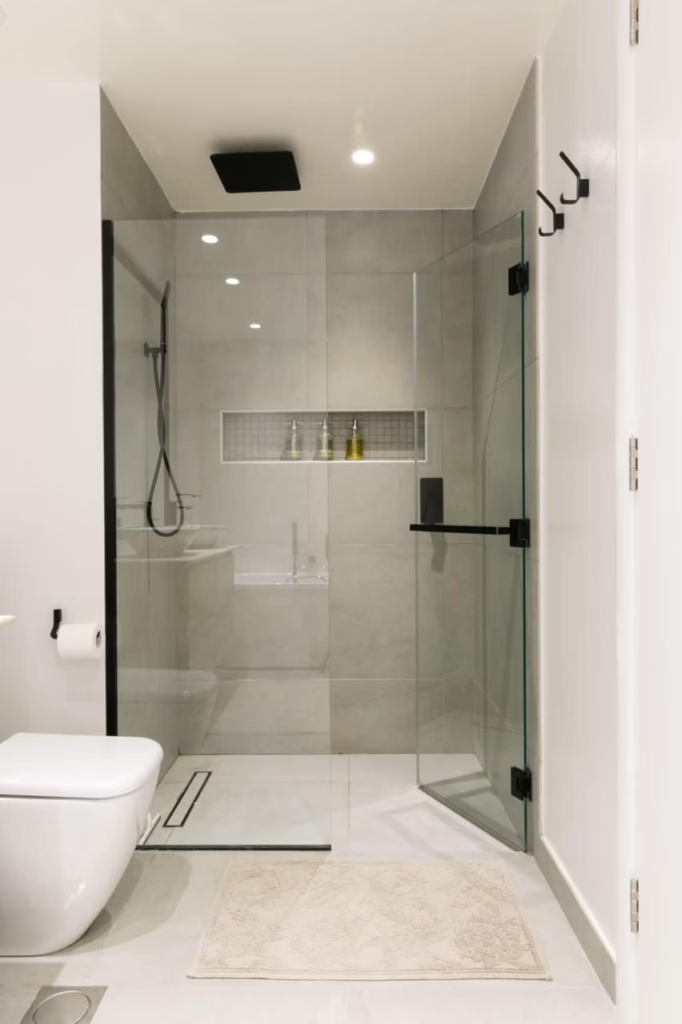
Tiles: The Drawbacks
While tiles are reliable, they do come with a few considerations:
- Grout requires regular cleaning and is prone to mould and discolouration over time
- Harder to maintain a seamless aesthetic, especially in small bathrooms
- Installation can be slow, especially for intricate designs or large spaces
- Cold underfoot, unless paired with underfloor heating
- Challenging to replace individual tiles if one cracks—can lead to patchy repairs
Microcement vs Tiles: Side-by-Side Comparison
| Feature | Microcement | Tiles |
|---|---|---|
| Look & Feel | Sleek, seamless, modern | Textured, patterned, versatile |
| Water Resistance | 100% when sealed | Excellent, but grout needs care |
| Maintenance | Very low, easy to clean | Moderate – grout may stain over time |
| Climate Suitability | Excellent for heat & humidity | Performs well with correct install |
| Installation Time | Quick (can cover old tiles) | Slower due to grouting & curing |
| Cost | Premium finish, higher upfront | Broad range, from budget to luxury |
| Customisation | Highly customisable finishes | Endless tile sizes, colours, layouts |
| Durability | Prone to cracking/staining | Long-lasting, especially porcelain |
Choosing Between Microcement and Tiles in the UAE
- Opt for Microcement if:
You love modern interiors, want an ultra-smooth finish, and prefer minimal upkeep. Ideal for boutique hotels, luxury apartments, and spa-style bathrooms. - Stick with Tiles if:
You’re after texture, pattern, or classic charm, and want maximum design flexibility with a material that’s proven to last with options that fit a wide range of budgets.
Looking Ahead: What’s Next in Bathroom Finishes?
At Tunde Hendricks Design, staying ahead of the curve is second nature. The interior design industry is constantly evolving, with new technologies, materials, and finishes emerging all the time. We make it a priority to stay informed, inspired, and ready to bring the latest innovations to our clients’ homes.
Whether it’s a smarter waterproofing method, eco-friendly materials, or finishes that combine both beauty and durability, we’re always testing what’s next so you don’t have to.
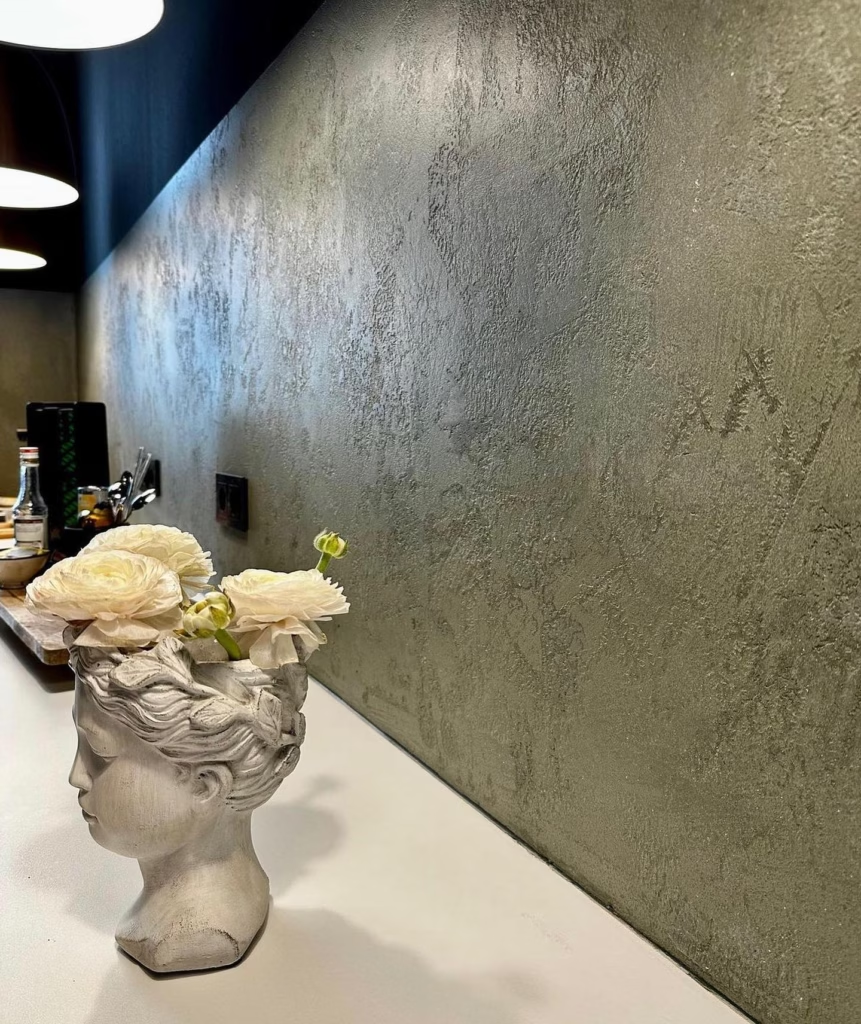
One new material on our radar is Marmorino Unico. It offers a similar sleek, seamless look to microcement, but with some exciting performance benefits:
- Naturally breathable and mould-resistant
- Designed to resist cracks and stains—even in high-humidity environments
- Waterproof enough for pools and spa-like bathrooms
- Long-lasting, with a lifespan of 7+ years when applied properly
While we’re still exploring its full potential, it’s looking like a promising upgrade for modern bathroom designs in the UAE.
If you’re working with us, know that we’ll guide you through every option (classic, current, or cutting-edge) to ensure your space is not only beautiful, but built to last.
Thinking of Renovating Your Bathroom?
As an interior designer in the UAE, we’ve worked with both microcement and tiles to create bathrooms that blend beauty, function, and lasting value. Whether you’re renovating a townhouse inRas Al Khaimah or updating an urban apartment, choosing the right finish can completely transform your space.
If you’re not sure which material suits your lifestyle, budget, and vision, my team and I are here to help, from concept to flawless finish.
Ready to start your bathroom renovation?
Still undecided in the microcement vs tiles debate? Tunde Hendricks Design can help you choose what’s best for your space.
FAQs
Yes — when applied by a skilled professional. Microcement performs extremely well in the UAE’s hot and humid climate. It’s waterproof, mould-resistant, and heat-tolerant, making it perfect for modern, spa-like bathrooms. However, correct installation and sealing are essential for long-term durability.
Absolutely. One of microcement’s biggest advantages is that it can be applied directly over old tiles, reducing demolition mess and saving time. It’s an excellent choice for quick yet high-end bathroom renovations.
High-quality tiles generally offer greater long-term durability. Microcement, while sleek and low-maintenance, can be prone to cracks if not applied correctly. However, both can last many years with proper care and professional installation.
Typically, yes. Microcement is considered a premium finish due to the specialist skill and labour involved in its application. Tiles, on the other hand, come in a broad price range — from affordable options to luxury designs — making them more flexible for different budgets.
Seamless finishes like microcement and Marmorino Unico are on the rise, especially in contemporary homes. They offer a clean, minimalist look that feels luxurious yet calming — ideal for the modern UAE lifestyle. But timeless tiles with natural textures remain a popular choice for those who prefer character and pattern.
