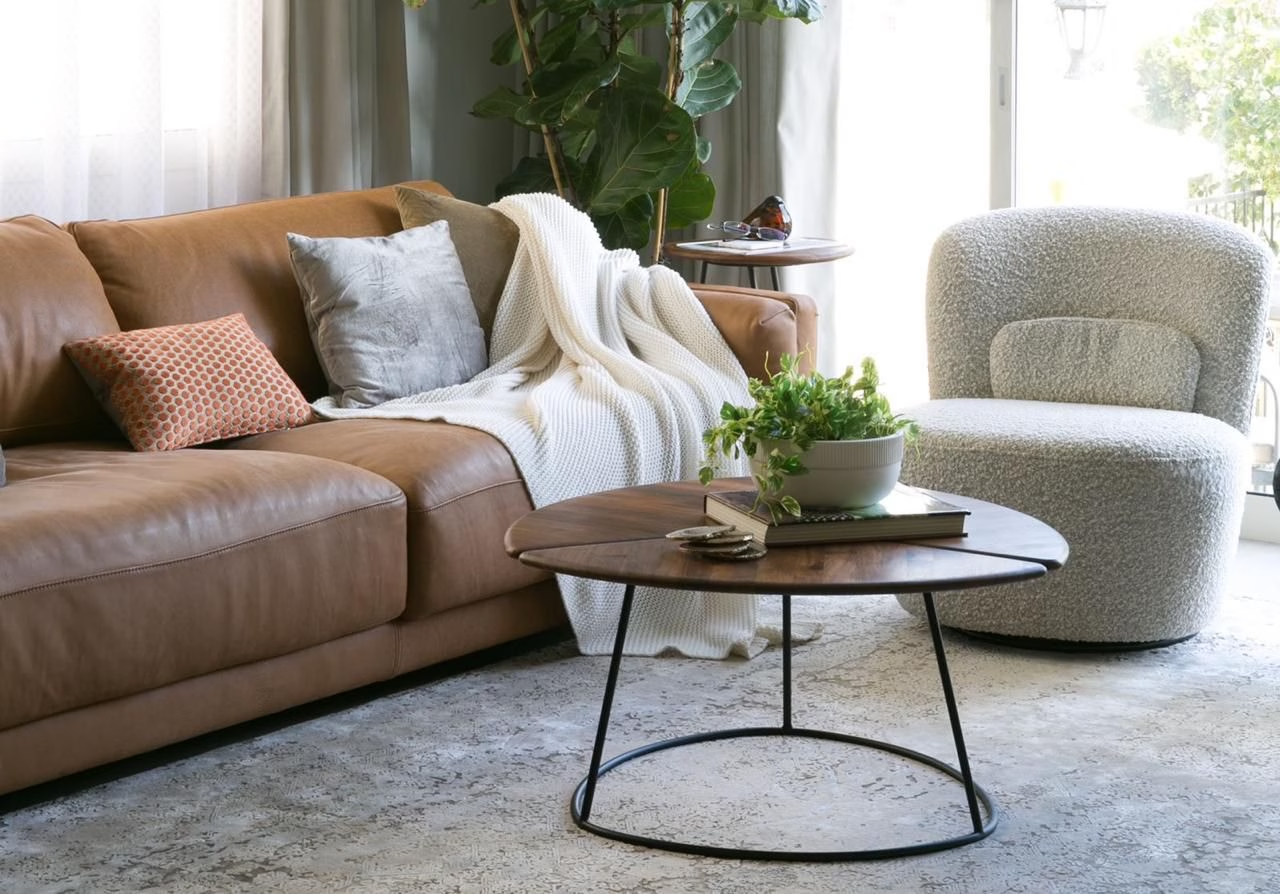
Reimagining spatial flow, materiality, and private sanctuary in an Al Hamra community home.
When Space Holds You Back
Every home has potential. But in many Al Hamra Village townhouses, the original architectural layout works against the very lifestyle it was built to support. Rooms feel disconnected, natural light is underutilised, and private spaces – the bedroom, the bathroom, the quiet reading corner – fail to deliver the sense of sanctuary the Gulf environment uniquely enables.
This project began with precisely that challenge: a well-located townhouse in one of RAK’s most desirable communities, held back by a spatial language that no longer served its occupants.
- Location: Al Hamra Village, Ras Al Khaimah, UAE.
- Property Type: Residential Townhouse.
- Scope: Full Interior Architectural Redesign — Living, Dining & Sleeping Zones.
- Design Focus: Spatial Flow, Biophilic Comfort & Bespoke Storage Architecture
- Lead Designer: Tünde Hendricks, MSc Architect-Engineer
As an MSc Architect-Engineer, Tünde Hendricks approached the brief not as a decoration exercise but as an architectural problem to solve. The intervention centred on three principles: improving the biophilic flow between interior zones and natural light sources; reimagining the materiality of key surfaces to introduce warmth and tactile richness without visual noise; and creating sleeping quarters that function as true restorative retreats rather than simply furnished rooms.
The Solution: Flow, Light, and Lived In Comfort
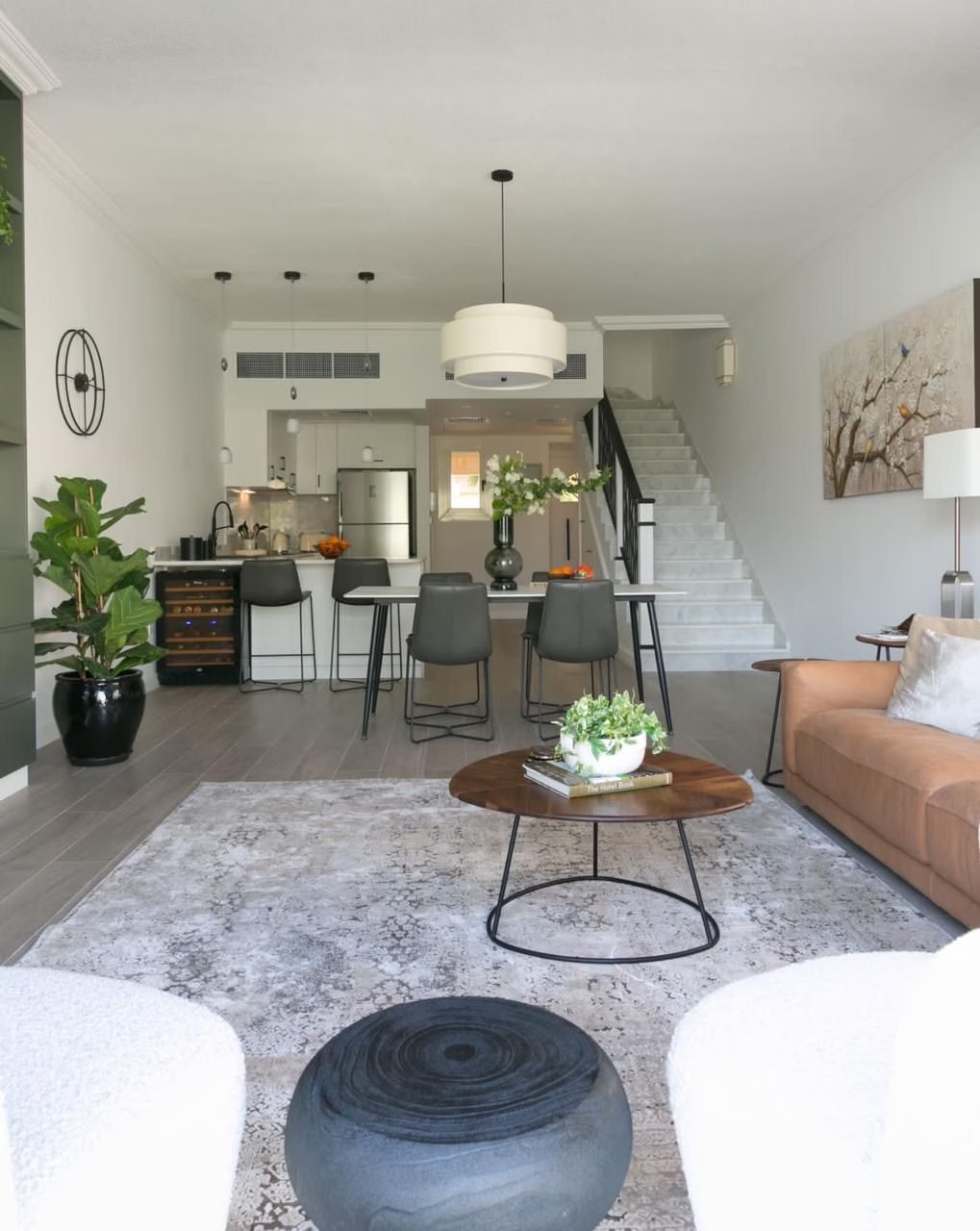
The result is a townhouse that reads and feels architecturally cohesive, from the open social zones on the ground floor to the private, carefully layered bedrooms above. Soft, considered neutrals work in harmony with bespoke joinery and custom lighting. And, the overall spatial sequence rewards movement through the home, drawing occupants naturally from public to private, from energy to calm.
The Social Zones: Architectural Flow in the Living & Dining Spaces
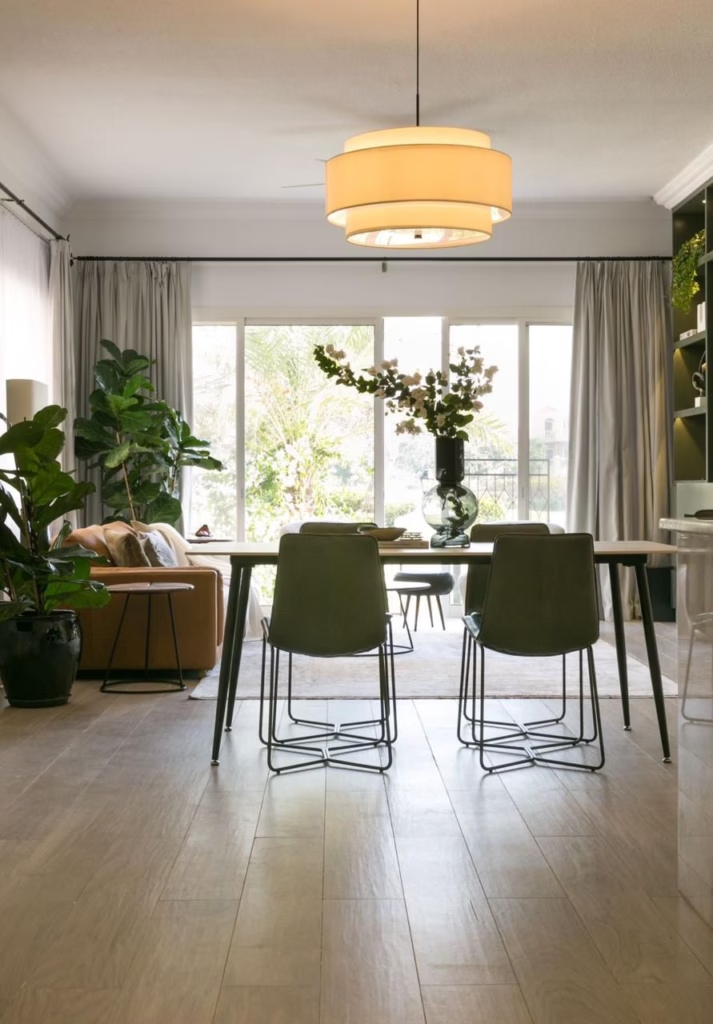
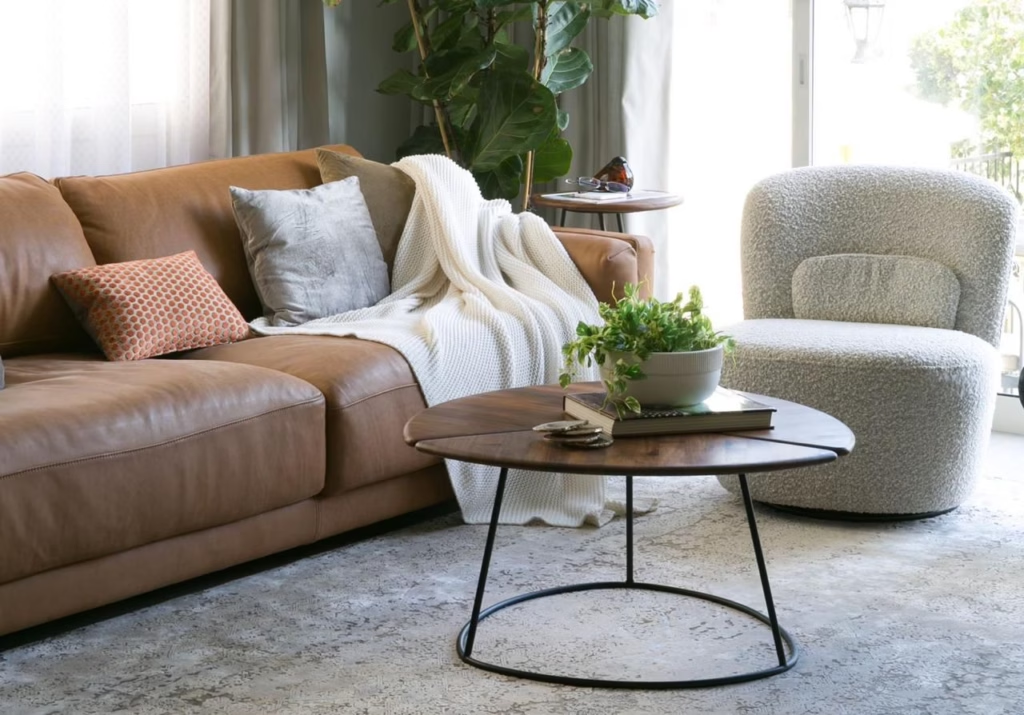
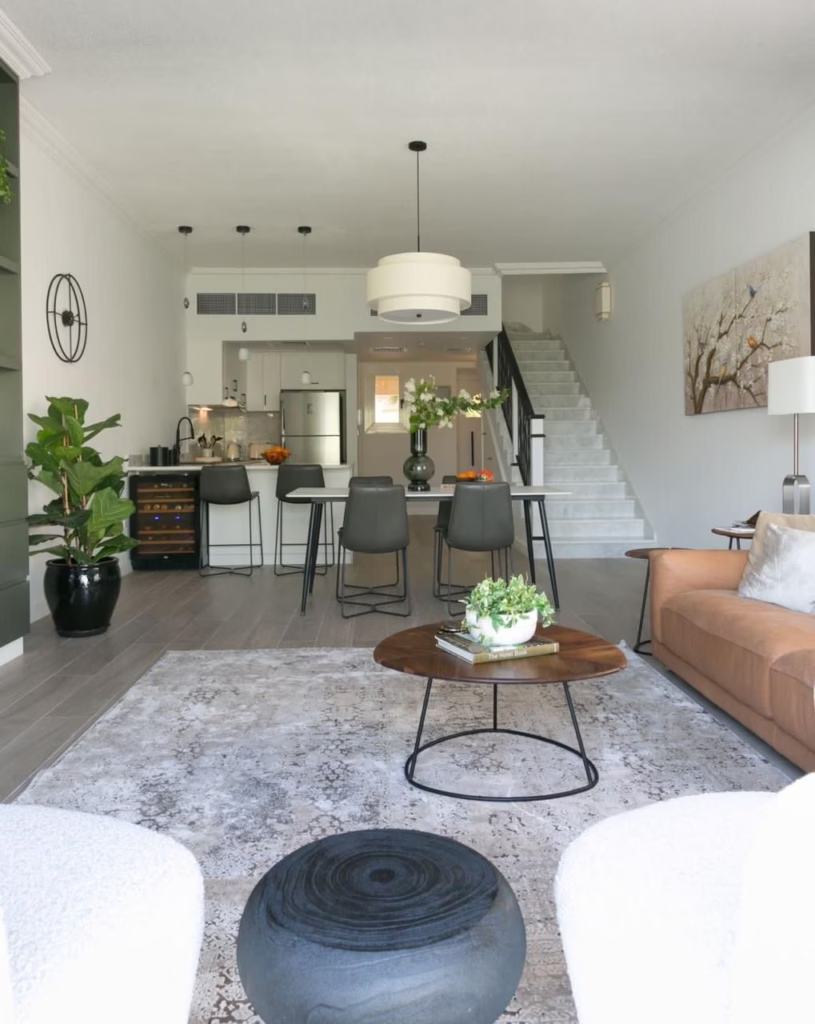
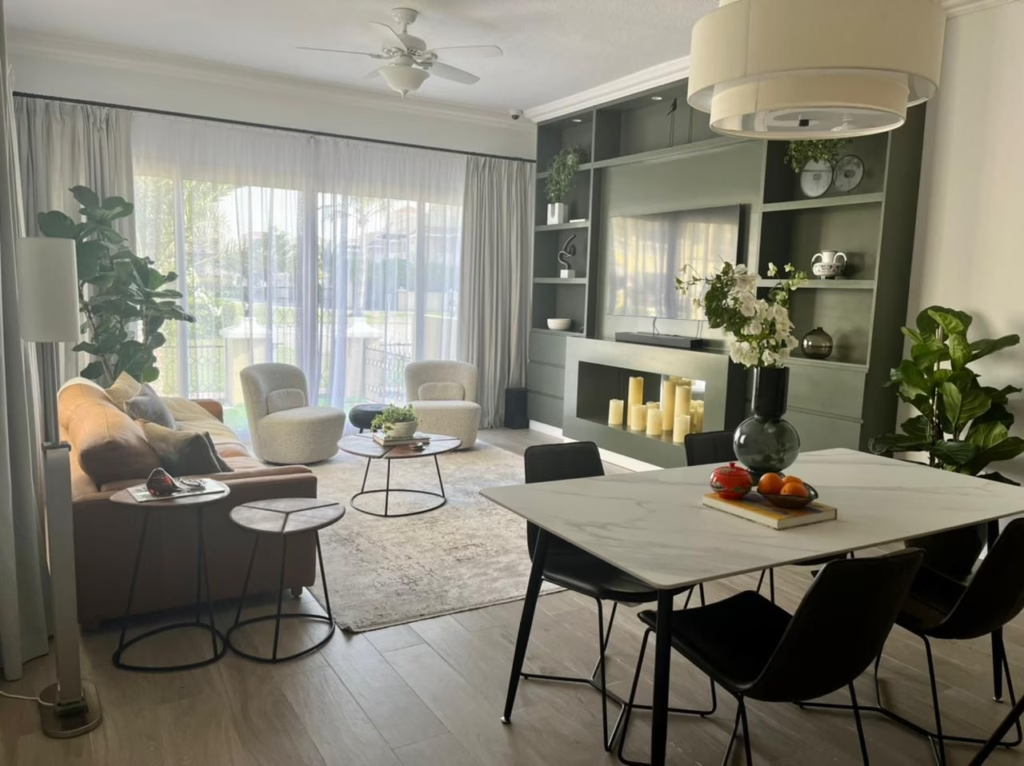
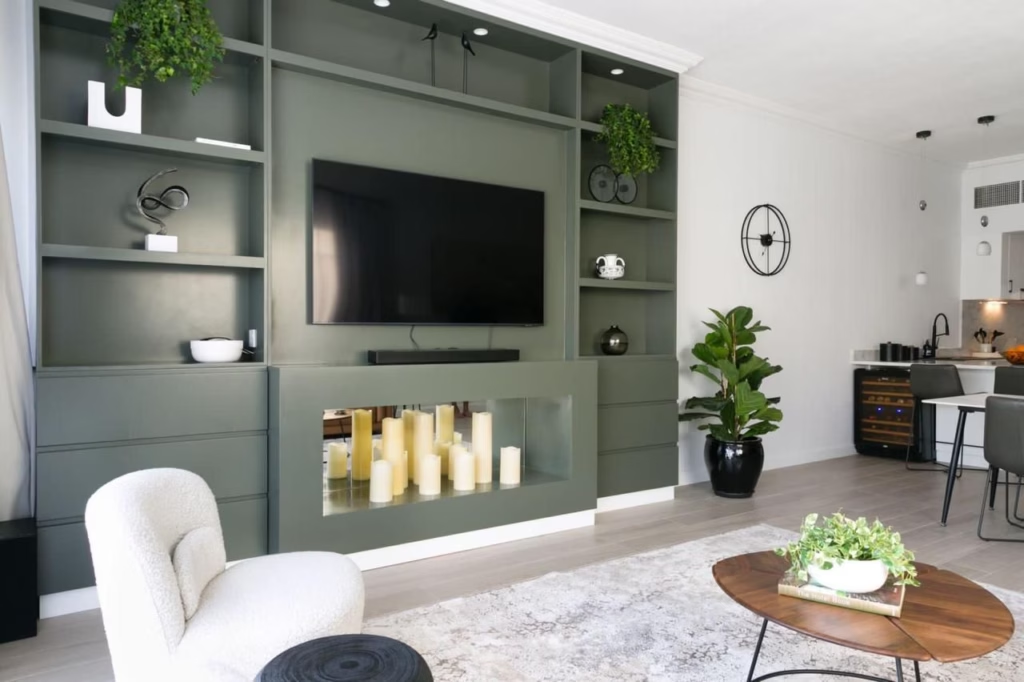
The ground floor was reconfigured to prioritise light travel and spatial continuity. Oversized apertures were styled to maximise the natural light cycles of the RAK coastal climate. On top of this, a carefully curated palette of warm neutrals, such as stone, sand, and soft taupe, creates a visual calm that unifies the living and dining zones. All this is done without merging them into a monotonous open plan. Bespoke and contemporary furniture pieces were selected on the dual criteria of aesthetic coherence and structural longevity, ensuring the space performs as well as it presents.
Private Quarters: The Architecture of Rest
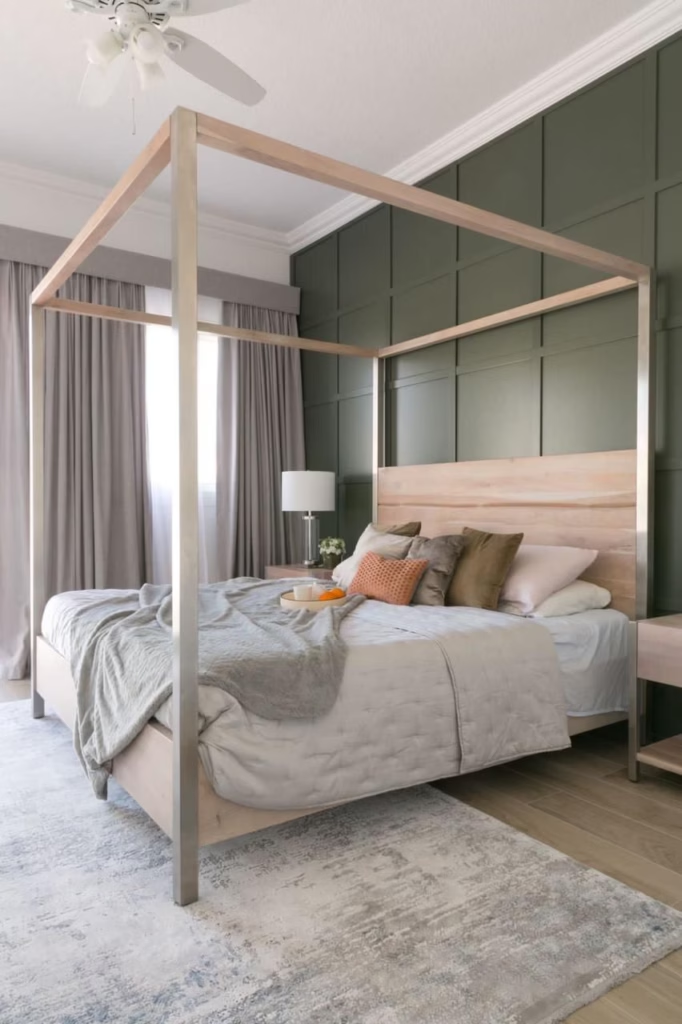
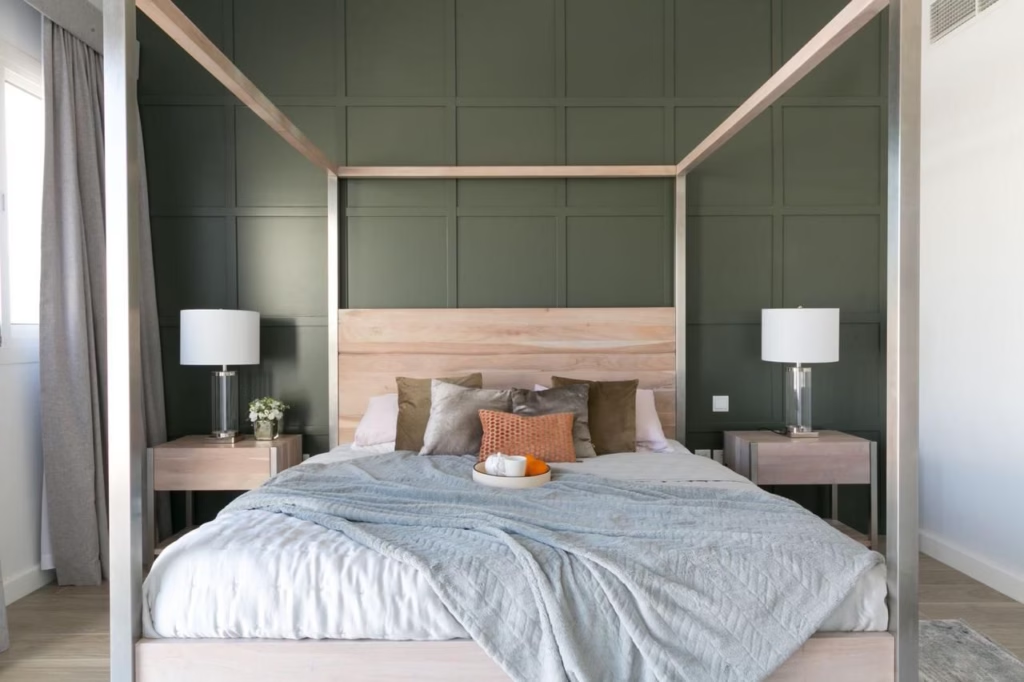
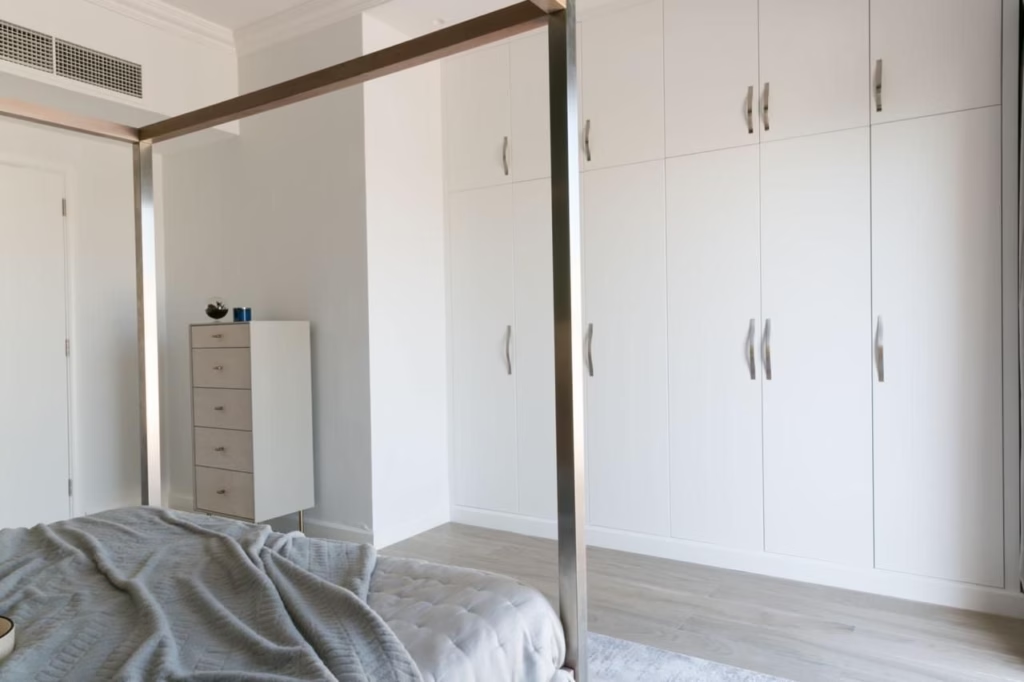
The sleeping zones were redesigned from the inside out. Rather than applying surface-level décor, each bedroom was treated as an architectural brief in its own right, with layered lighting plans, custom headboard joinery, and material selections chosen to support genuine restorative rest. Colour palettes were drawn from biophilic principles, referencing the natural landscape visible from the Al Hamra community. The master suite, in particular, achieves a spa-adjacent quality through the integration of soft textural contrast: plush linens against smooth stone-effect panels, warm accent lighting against clean architectural lines.
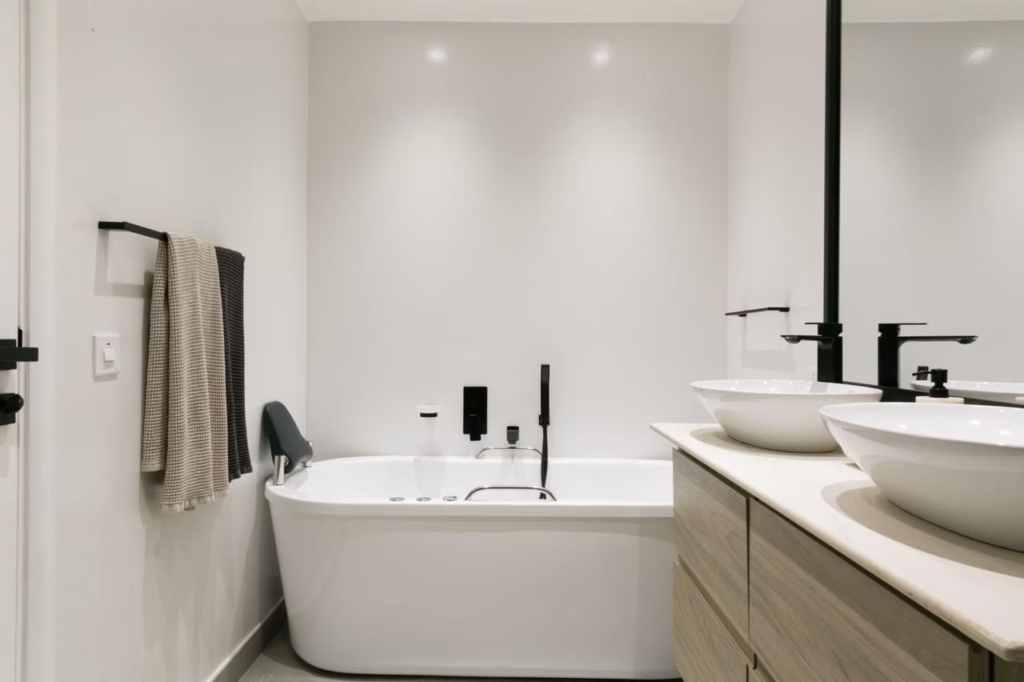
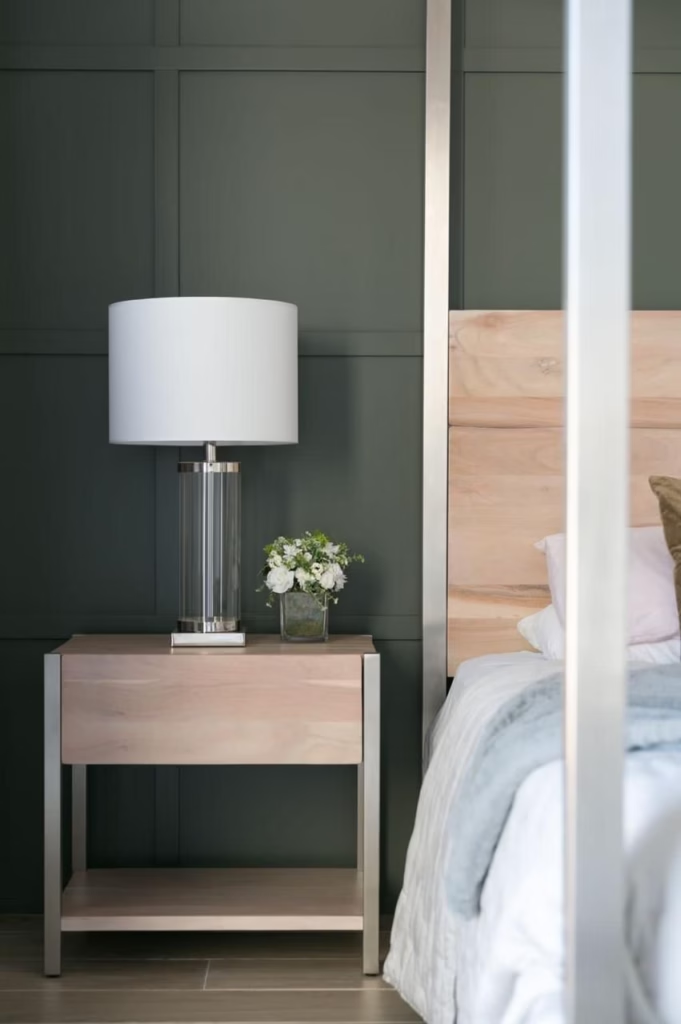
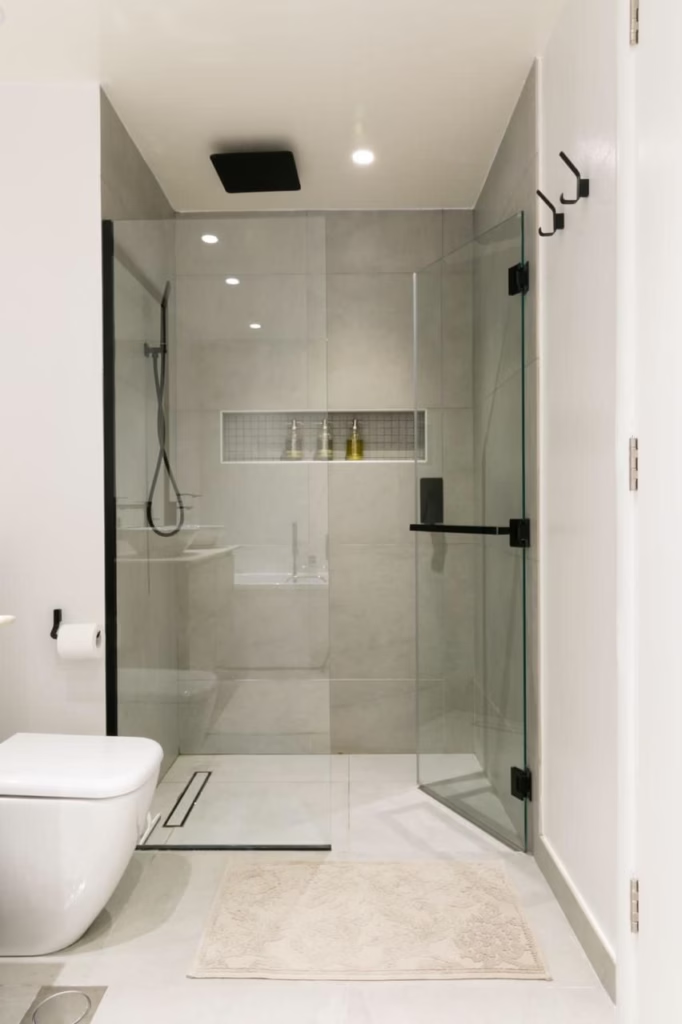
The Kitchen: Functional Architecture at the Heart of the Home
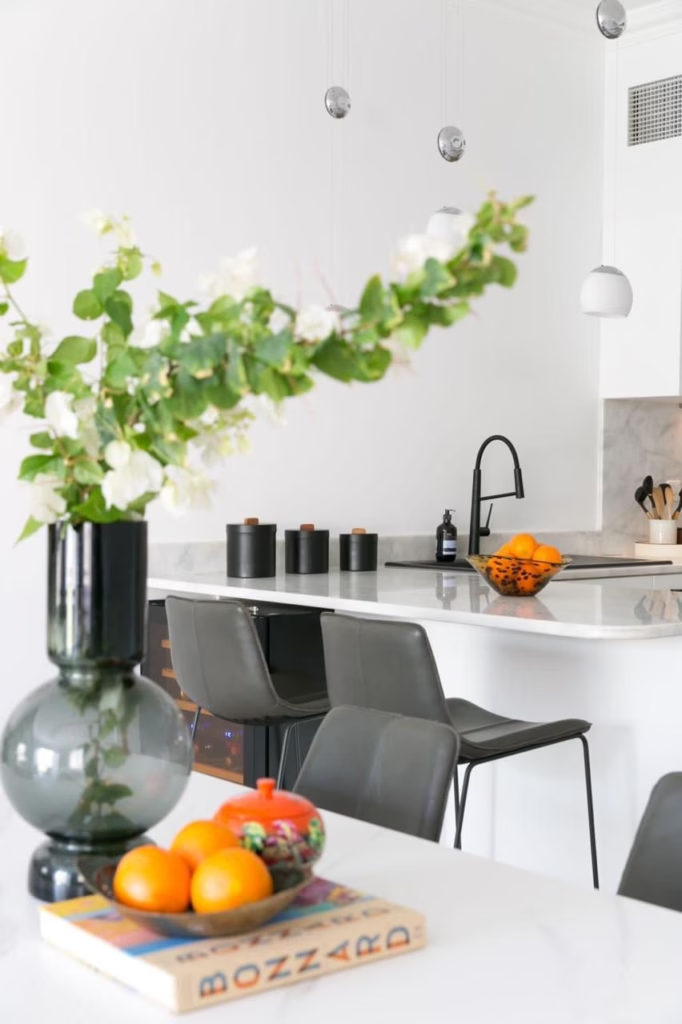
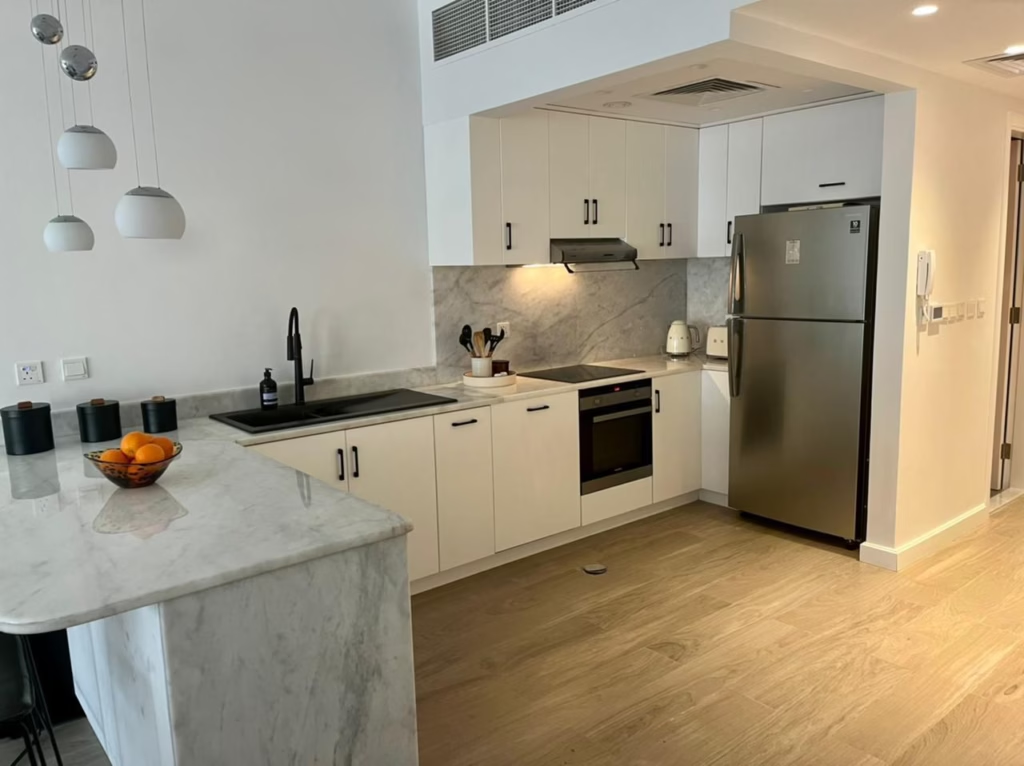
The kitchen was rethought as a social infrastructure element rather than a purely utilitarian space. A bespoke breakfast bar anchors the zone. It serves as both a functional work surface and an informal gathering point that connects kitchen activity to the wider ground-floor living flow. Custom joinery maximises vertical storage without visual bulk, maintaining the clean sightlines established across the open-plan ground floor. Every material choice, from worktop finish to cabinet hardware, was made in deliberate conversation with the surrounding interior language.
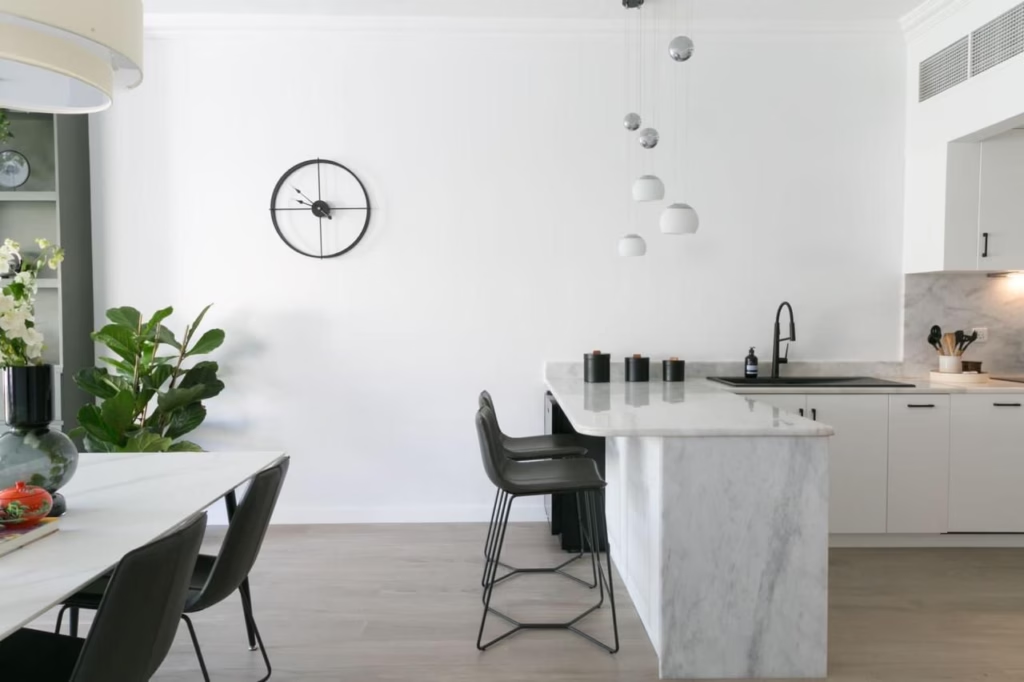
Storage as Architecture: The Invisible Framework
One of the most architecturally significant decisions in this project was the approach to storage. Built-in joinery units were designed to be structurally integrated, not retrofitted, into each room, ensuring they contribute to the spatial rhythm rather than interrupt it. This ‘storage as architecture’ philosophy is a hallmark of Tünde Hendricks Design’s approach: concealed, purposeful, and calibrated to the specific dimensions and movement patterns of each space.
The Technical Specs
- Spatial Reconfiguration: Open-plan optimisation of ground-floor living and dining zones to improve biophilic light flow.
- Bespoke Joinery: Custom-designed built-in storage units, kitchen cabinetry, and bedroom headboard architecture.
- Material Palette: Warm neutrals (stone, taupe, sand) with tactile contrast in soft furnishing selections.
- Lighting Design: Layered lighting plan incorporating architectural recessed lighting, custom pendants, and bedside accent fixtures.
- Breakfast Bar Integration: Custom-engineered social kitchen island connecting food-prep and open-plan living zones.
- Biophilic Design Principles: Window-treatment strategy to optimise natural light cycles while managing solar heat gain in the RAK coastal climate.
- Bedroom Architecture: Individual spatial briefs per bedroom incorporating restorative materiality, plush textiles, and personalised décor logic.
- Climate-Responsive Finish Selection: All surface finishes and fabric selections specified for performance in the Gulf humidity and temperature range.
Your Home Has More to Say.
Whether you’re considering a townhouse transformation in Al Hamra or a full architectural renovation across the UAE, let’s begin with a conversation. As an MSc Architect-Engineer working at the intersection of technical precision and considered design, Tünde Hendricks brings a rigour to every project that goes beyond aesthetics — it starts with understanding exactly how you want to live.