

A bedroom should be more than a place to sleep. Today’s homeowners see it as a retreat, a private spa-like sanctuary to recharge and relax. The master suite leads the way, often combining space for sleeping, dressing and an en-suite bathroom.
Even if your bedroom isn’t technically a master, you can still borrow the same pro designer tips for a cozy bedroom to make it feel larger, more luxurious and more functional. With a few professional touches from Tünde Hendricks Design, you can transform any bedroom into a restful haven.
Pro Designer Tips for a Cozy Bedroom: Start with the Layout
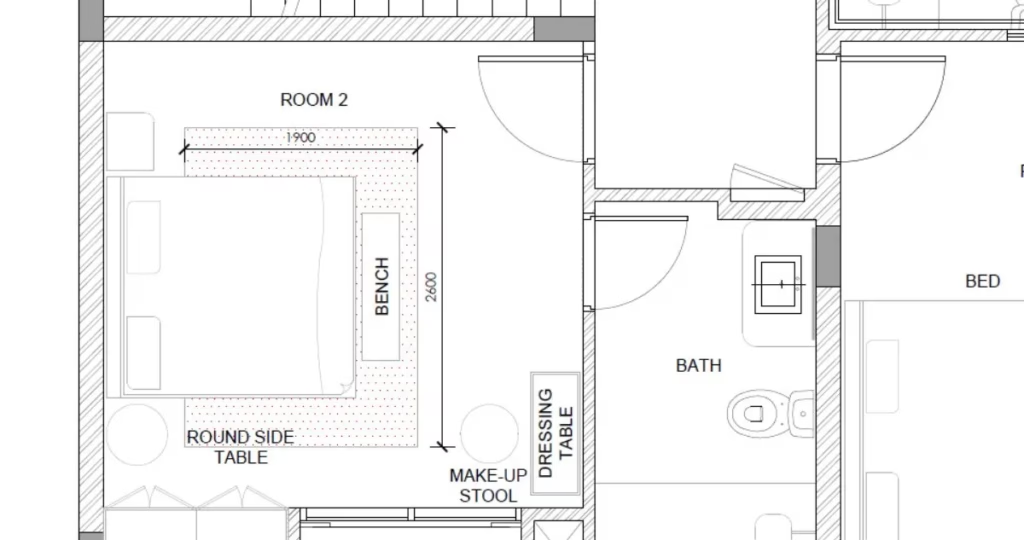
The bed is almost always the largest piece of furniture in a bedroom, so it sets the tone for your layout. Where you place it affects the flow, energy, and comfort of the entire room.
A rule Tünde swears by, which is inspired by Feng Shui principles and common sense, is to place your bed so you can see the door from it. This “command position” creates a natural sense of safety and calm, because we’re instinctively wired to rest better when we can see who’s entering our space. When we sleep, we’re instinctively wired to feel secure. Just as animals retreat to safe zones, humans rest best when they can see the entry point to their space.
Pro Tip: Avoid positioning your bed directly on the same wall as the door. Instead, choose a spot where you have a clear view of the entry without being in line with it.
Another important Feng Shui detail is the headboard. Create or invest in a substantial, well-anchored headboard and push it securely against a solid wall. A good headboard symbolises support and stability while you sleep; without one, a bed can feel unbalanced and less restful.
Once the bed and headboard are in the right spot, build the rest of your layout around them. This single decision simplifies every other styling choice.
Invest in Blackout Curtains
A cozy bedroom isn’t just about how it looks — it’s about how it functions. One of the most overlooked elements? Window treatments.
Blackout curtains or blinds are essential for uninterrupted sleep. They block intrusive light from street lamps, car headlights, or early sunrises, helping your body fully restore overnight. Pair them with sheers for daytime softness.

Bedding: Go Light and Luxurious
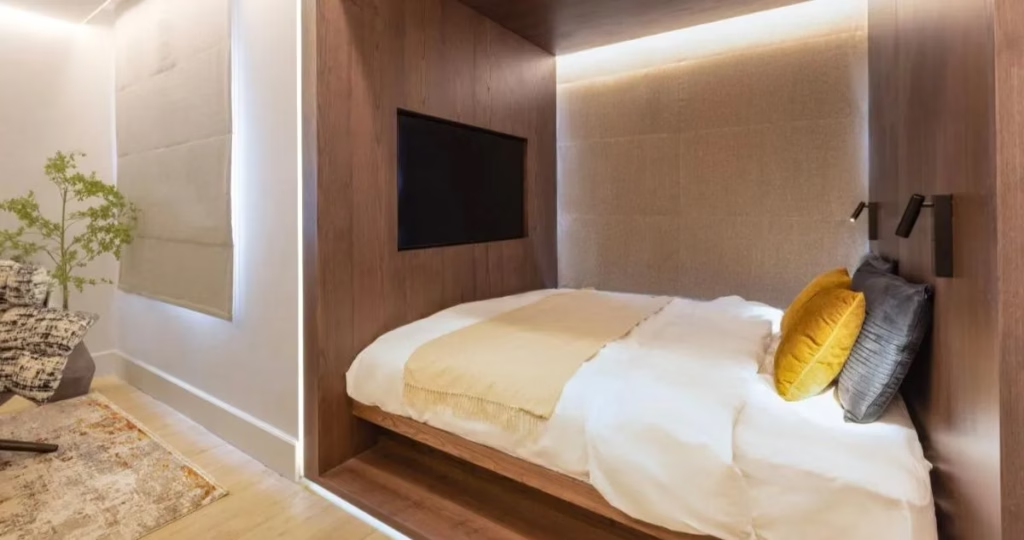
Your bed should look as good as it feels. Tünde recommends white bedding as a go-to base because it creates a clean, timeless look, works with almost any accent colour, and feels fresh and hotel-like. Invest in high thread count sheets or silk for a touch of luxury and a truly restful experience.
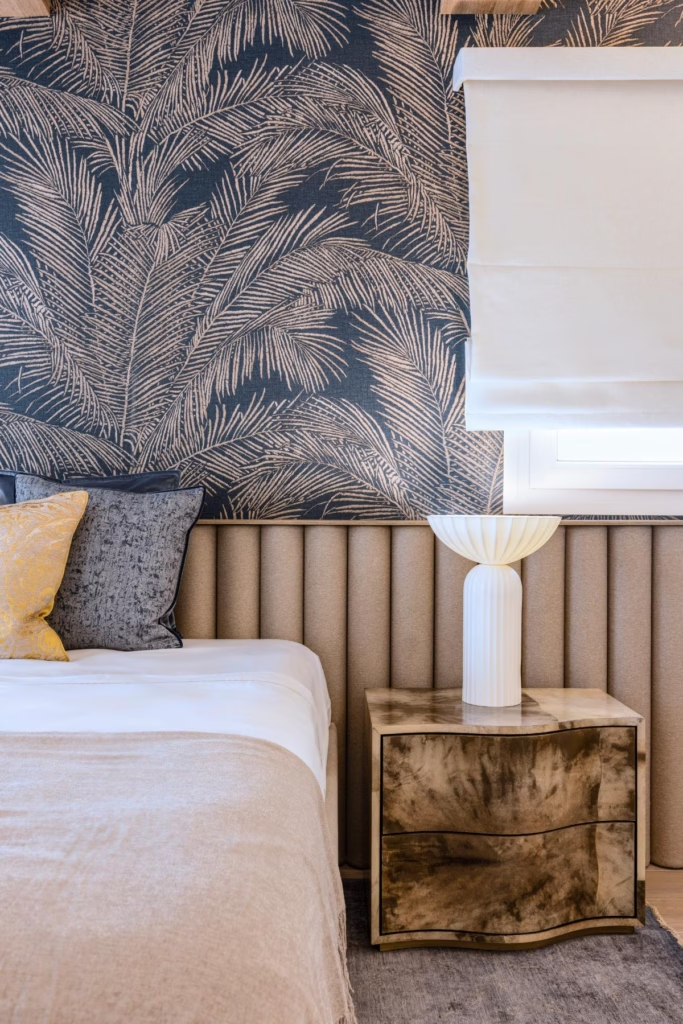
Add Layers and Textures for Depth
Once you’ve chosen your base bedding, build visual interest by layering textures. Add colour and personality through accent cushions, throws, or runners. Mixing different fabrics and finishes not only adds depth and softness but also makes the bed feel even more inviting and styled.
Choose Relaxing Colours
A bedroom is a sanctuary, so choose soothing tones over loud or high-energy colours. Soft neutrals, gentle blues, muted greens, or warm taupes calm the nervous system and encourage better rest.
Designer Insight: “The goal is to create a peaceful environment. Softer tones help the brain wind down after a busy day.” says Tünde.
Styling Details That Complete the Space
Once your layout, window treatments, and bedding are sorted, add thoughtful touches that elevate the room:
- A bench or stool at the foot of the bed – visually completes the look and provides a practical spot to sit or set items.
- A plush carpet under the bed – gives your feet a soft, grounding texture when you wake up.
- Intentional accessories – a curated tray on the bedside table, a favourite book, or a scented candle adds personality without clutter.
Keep the space light, airy, and uncluttered. A few meaningful pieces beat many random items every time.
Your Bedroom, Your Sanctuary
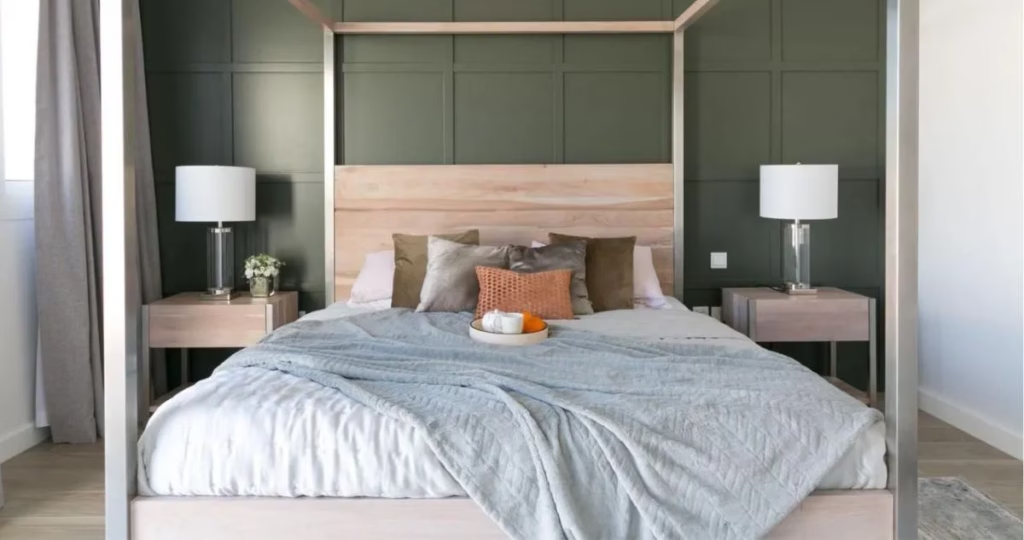
Designing a cozy bedroom is about more than style. It’s about creating a restorative environment. Start with a smart layout, invest in quality blackout curtains and bedding, choose calming colours, and finish with intentional styling.
Using these pro designer tips for a cozy bedroom from Tünde Hendricks Design, you can transform any bedroom into a serene retreat you’ll look forward to spending time in — day or night.
FAQs
Place your bed so you can see the door without being directly in line with it. This “command position,” inspired by Feng Shui, creates a sense of safety and calm, helping you rest more peacefully.
Yes. Blackout curtains or blinds block intrusive light from street lamps, early sun, or headlights, ensuring uninterrupted sleep. Pair them with sheer curtains for daytime softness and style.
Start with light neutral bedding, like white or soft cream, for a clean, timeless base. Layer textures with throws, cushions, or runners, and invest in high-quality sheets or silk for a truly restful, hotel-like experience.
Opt for soothing, soft tones — gentle blues, muted greens, warm taupes, or soft neutrals. These calm the nervous system and encourage restful sleep, unlike high-energy or bright colours.
Intentional accessories like a bench at the foot of the bed, a plush rug, a curated bedside tray, or a favourite book add personality and comfort without clutter. Less is more — focus on meaningful pieces that create a serene, lived-in feel.
