
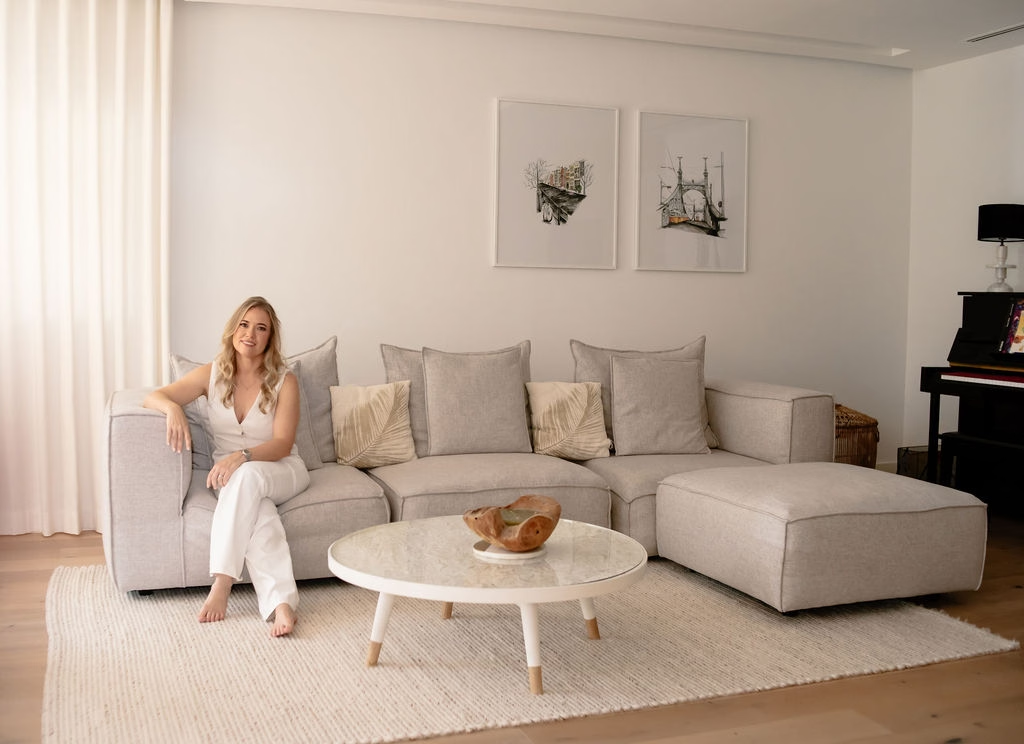
When you picture your ideal home, what do you see? If your vision is inspired by pristine social media reveals rather than interior design for real life, you might be falling into a common trap.
True luxury isn’t about living in a staged museum where you’re terrified to spill a drop of coffee or leave a coat on a chair. It’s about creating a space that moves with you, supports your daily habits, and functions effortlessly from your first cup of coffee to your evening wind-down.
Too often, curated online trends focus on how a room looks in a square photograph rather than how it feels when you’re rushing out the door on a Tuesday morning.
Before you pick out paint swatches or order that trendy boucle armchair, let’s explore why “Insta-perfection” fails us and how a Daily Rhythm Audit can help you design a space that actually works.
The High Cost of “Insta-Feed Perfection”
We’ve all seen the posts: pristine white sofas, floating open shelves holding three decorative ceramic vases, and kitchen counters entirely devoid of actual appliances. It looks breathtaking in a photo. While these looks are stunning, many people fear they aren’t practical. The truth? Gorgeous design can be practical… if you know how to execute it properly.
Here is how we rethink common design myths:
- The White Sofa Myth: Many of my clients are terrified of light fabrics, assuming they are an invitation for stains. Thanks to modern textile technology, you don’t have to sacrifice a crisp, light aesthetic. With treatments like nano-coatings, professional fabric protection, and performance upholstery cleaning, white sofas can actually be a perfect choice for real life.
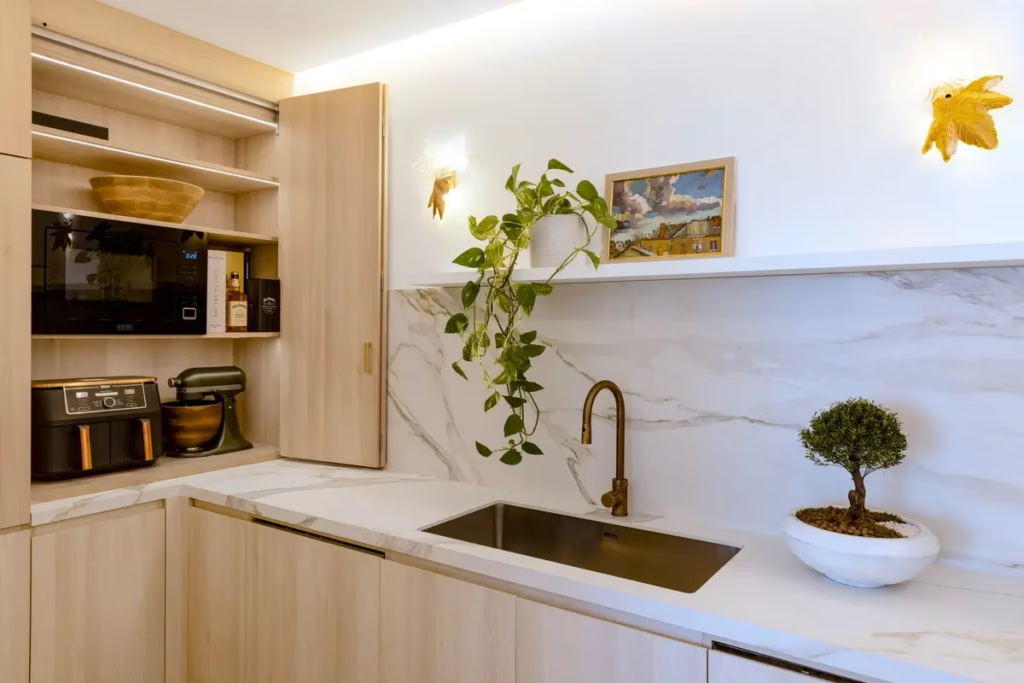
- The Appliance Dilemma: I personally hate seeing small appliances cluttering kitchen surfaces. True functionality isn’t leaving your toaster out; it’s designing dedicated appliance garages or hidden prep cabinets so your counters stay clear, calm, and functional.
- The “Museum Effect” & Stone Care: Natural marble and quartzite bring unmatched luxury to a space. You don’t need to fear them! When properly sealed and maintained, natural stone holds up beautifully over time. If you prefer virtually zero maintenance without sacrificing heat or scratch resistance, modern porcelain slabs are an exceptional alternative.
- Ergonomics & Comfort Are Personal: Low-profile sofas look sleek, but comfort is subjective. I love soft, sink-in seating, whereas my husband prefers firm support. Everyone is different! Comfort must be experienced firsthand—I’ve even had clients test out bathtubs in showrooms before specifying them. Your home should support your body’s definition of relaxation.
What is a Daily Rhythm Audit?
A Daily Rhythm Audit is a holistic approach to functional home layout planning. It isn’t just about spotting pain points. it’s about deeply understanding how you live.
Instead of forcing your lifestyle to fit a static floor plan, we map out your unique lifestyle, daily rituals, and family dynamics hour by hour.
How do you like to brew your morning tea? Do you read in bed or in a cozy corner chair? Where does everyone gather when you entertain? Where do you set down your keys and bag? Where does the laundry accumulate? How does morning light affect your workspace?
By observing not only where friction occurs, but also celebrating the way you actually use your space, we can implement custom design solutions that make keeping your house beautiful completely effortless.
Do It Now: Your Step-by-Step Daily Rhythm Audit
You don’t need a design degree to start auditing your space. Grab a notebook and run through these four steps over the next 48 hours to evaluate both your lifestyle rituals and your friction points:
Step 1: The Morning Rush & Rituals
- Action: Pay attention from the moment your alarm rings until you step out the door.
- Ask Yourself: Where are the bottlenecks, and where are the moments of joy? Are two people fighting over one bathroom mirror? Is your coffee station set up in a way that feels like a calm, cozy morning ritual, or are you crisscrossing the kitchen to get mugs, cereals, and spoons?
Part 2: The “Drop-Zone” & Transition Check
- Action: Walk through your home at 5:00 PM or right after returning home. Look at where items naturally land.
- Ask Yourself: Where do bags, mail, shoes, and coats actually go versus where you wish they went?
- Rule of Thumb: Clutter is rarely a discipline issue; it’s a storage-location issue. Good design works with your natural drop habits, not against them.
Step 3: The Evening Wind-Down & Relaxation
- Action: Notice how your home transitions into evening mode.
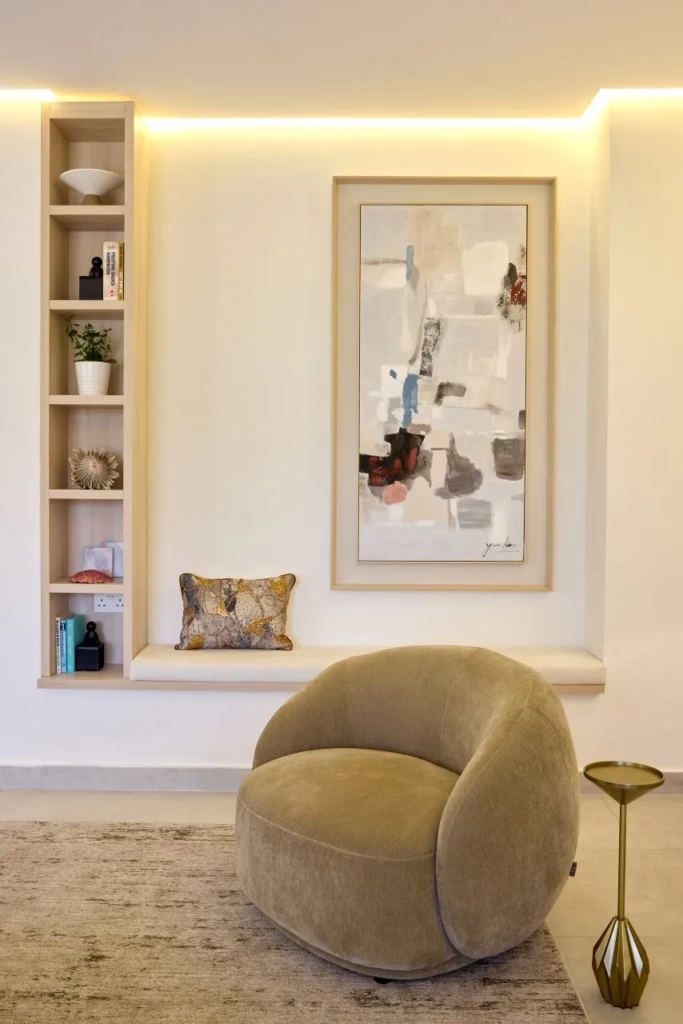
- Ask Yourself: Does your home help you unwind after a long day? Is your lighting warm and ambient for cozy conversations, or is overhead glare forcing you to keep main lights off? Is there a dedicated spot for your hobbies or night-time reading?
Step 4: The Weekend & Lifestyle Reality Test
- Action: Observe how your home handles leisure, entertaining, and real family living.
- Ask Yourself: How do you actually use your living room on a Saturday? Do guests gather comfortably in the kitchen without crowding the chef? Is your dining table used for work, games, and meals—and does it support all three?
| 🎁 FREE DOWNLOAD: The Daily Rhythm Audit WorkbookStop guessing and start designing for your real life. Download our free 5-page printable checklist and room-by-room audit guide. Map your daily routines, identify spatial friction points, and build your bespoke design brief before starting your next project. 👉 Download Your Free Daily Rhythm Audit Workbook Here |
Invest in Materials, Invest in Furniture: Choosing Materials Built for Real Living
Practical interior design honors real life’s messes. Fine living shouldn’t mean walking on eggshells in your own home. When you invest in high-quality materials and heirloom-grade furniture, your home doesn’t just survive daily wear and tear. It actually gets better with age.
Instead of fighting against natural wear, choose materials that develop a rich story over time:
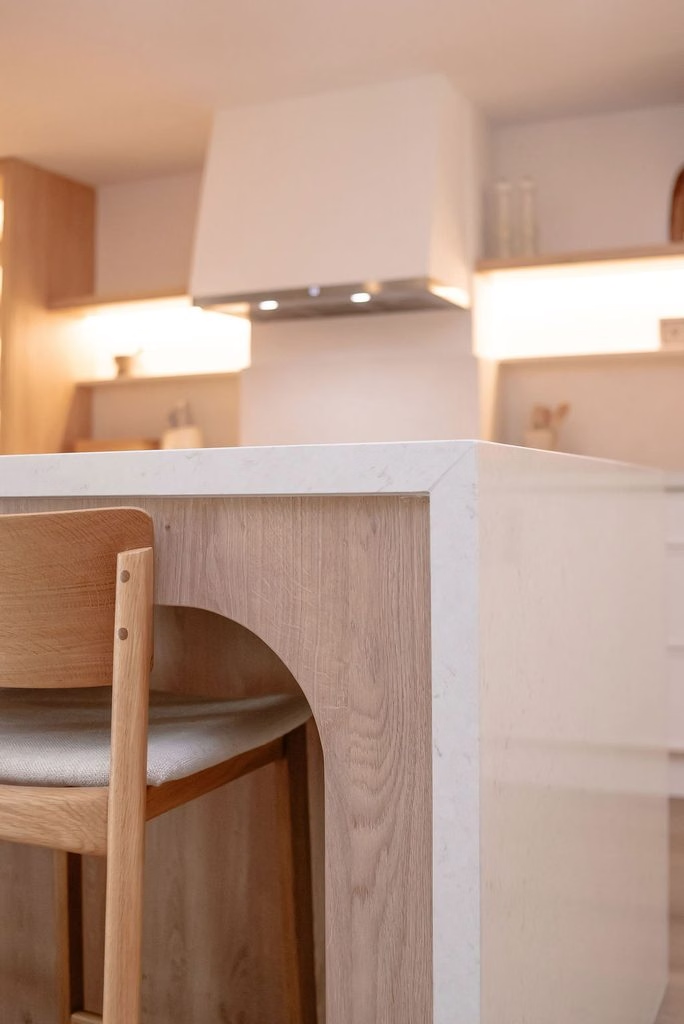
- Natural Stones vs. High-Performance Ceramics/Porcelain: Natural stones like marble offer unmatched depth and character. When properly sealed, natural marble holds up to daily life beautifully. For high-traffic areas where clients prefer ultra-low maintenance, porcelain slabs provide incredible durability against heat and scratches, while quartz remains a popular, practical choice.
- High-Performance Upholstery: You don’t have to sacrifice light-colored furniture. High-performance textiles and stain-protection treatments mean you can enjoy light linens and plush creams without fear of coffee spills or pet paws.
- Solid Hardwoods & Climate-Smart Millwork: We love solid oak, walnut, or maple for loose furniture like dining tables. Their minor character marks only add to their warmth over time. For built-in joinery, doors, and cabinetry (especially in humid environments like the UAE climate), precision-engineered materials like high-grade MDF and Egger boards prevent warping and ensure long-lasting structural perfection.
- Durable Seating & Cushioning: Focus on sturdy frames and high-resiliency cushion cores. Investing in well-made seating means your couch won’t sag or lose its shape after six months of family movie nights and lazy afternoon naps.
- Top-Grain Performance Leather: Quality leather absorbs life’s story. It gets softer, richer, and more supple with every passing year, transforming everyday use into a beautiful design feature.
Real-Life Design Solutions: Room-by-Room Examples
Once your audit identifies how you live and where the friction lives, you can swap photo-centric traps for high-performance, lifestyle-driven solutions:
| Area / Scenario | The “Insta-Feed” Trap | Real-Life Friction vs. How You Live | The Design Solution |
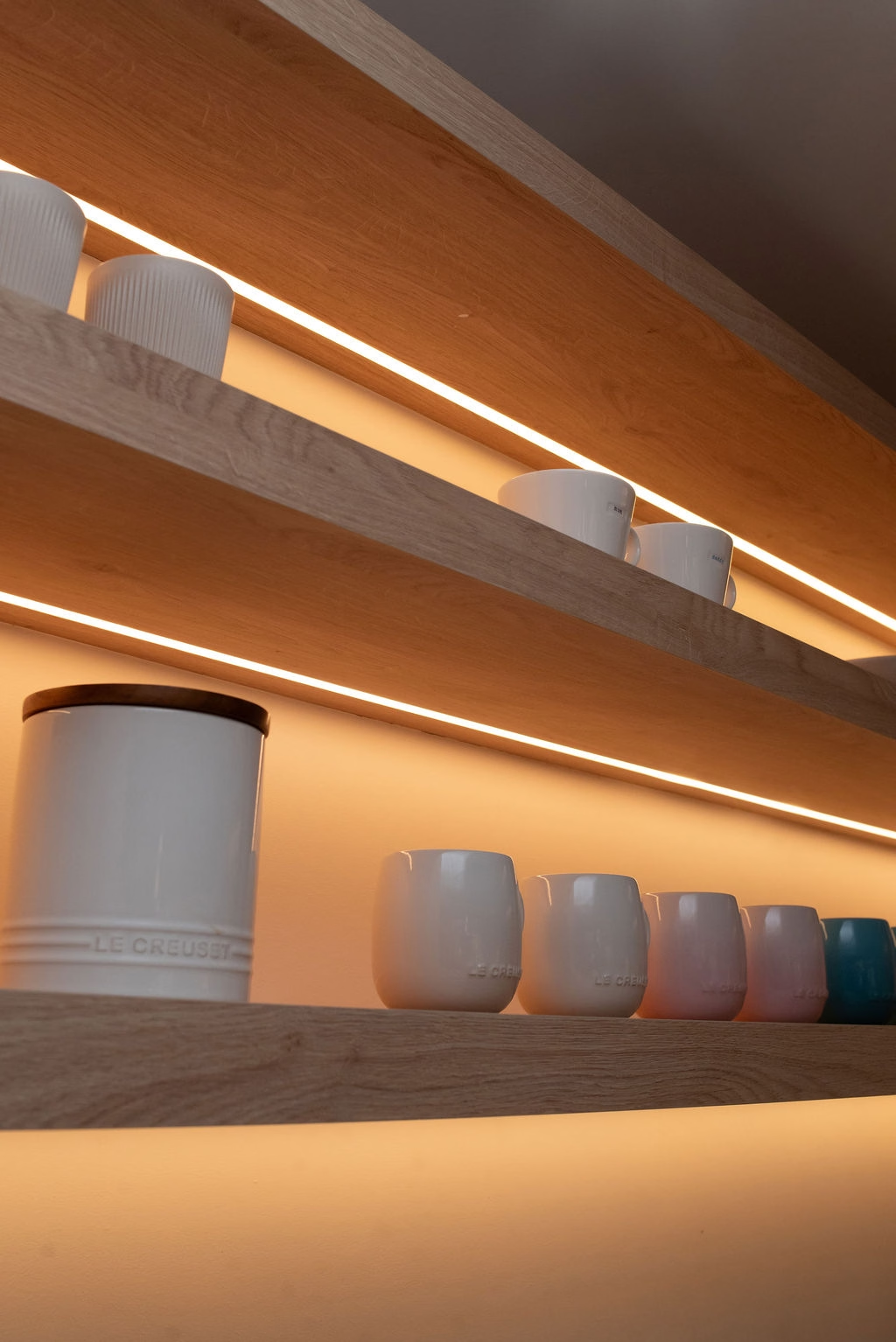
| Kitchen & Pantry | Floating shelves are just for staging photos. | Floating shelves get labeled as “dust traps” if overused or unorganised. | Balanced Openness & Hidden Storage: We love floating shelves to bring architectural balance and airiness to a kitchen. Combine them with an appliance garage or concealed pantry so main counters stay completely clear. |
| Living Room Seating | You can’t have light-colored or sleek sofas with a real family. | People worry about back support, spills, coffee stains, and kid mess. | Custom Comfort & Protection: Test seating options in person to match your exact comfort preference (soft vs. firm). Pair deep, supportive frames with treated or high-performance fabrics for stress-free living. |
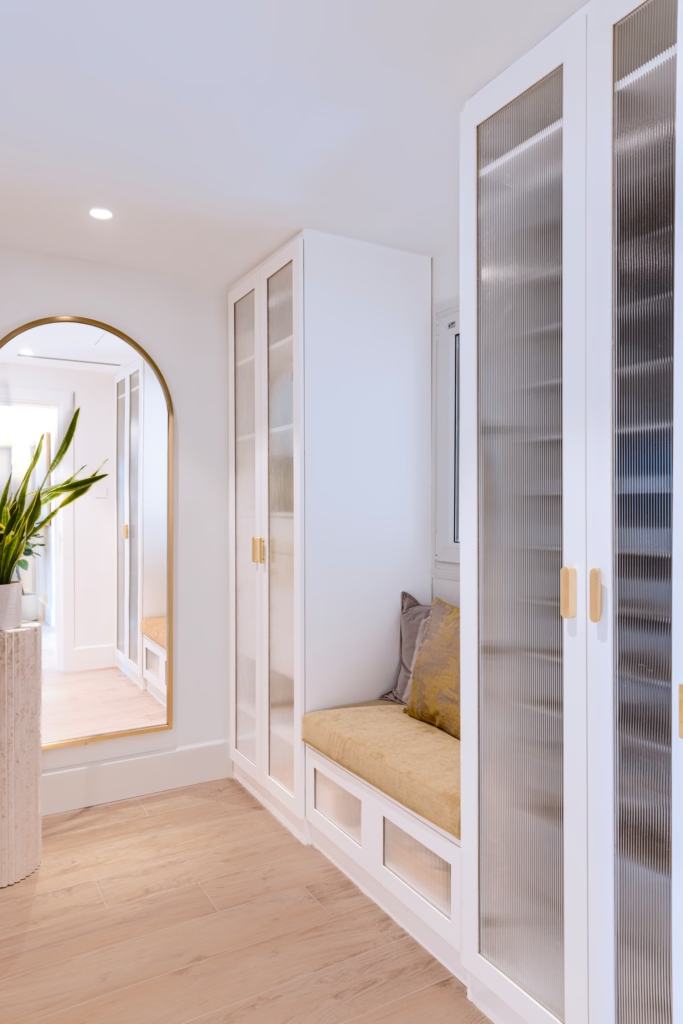
| Entryway & Mudroom | Delicate glass console table with one vase. | Shoes, mail, coats, dog leashes, and sports gear piled on the floor. | Integrated Drop-Zone Joinery: Concealed shoe drawers, internal outlet charging drawers, and custom coat hooks built at family-friendly heights. |
| Home Office | Minimalist floating desk with exposed wires. | Cable tangles, zero paper storage, poor lighting for video calls. | Custom Office Joinery: Integrated pop-up power grommets, hidden cable raceways, dimmable task lighting, and concealed file drawers. |
| Dining Area | High-maintenance polished glass or gloss dining table. | Fingerprints, fear of hot dishes, reluctance to use the table for crafts or homework. | Solid Hardwood Table with Soft Wax/Honed Finish: A durable, warm surface that handles hot plates, homework sessions, and wine spills while aging gracefully. |
| Primary Bedroom & Bath | Single overhead flush-mount light and tiny nightstands. | Harsh lighting that disrupts sleep; messy charging cables on display. | Layered Lighting & Smart Nightstands: Dimmable warm wall sconces, integrated USB power inside nightstand drawers, and soft under-bed night lighting. |
Don’t Worry: We Can Still Make It Insta-Perfect (Just for YOU!)
Look, we aren’t saying your home shouldn’t be breathtakingly gorgeous. We love a magazine-worthy room reveal just as much as anyone!
The difference? We design spaces that look like a million bucks on camera, but when the wide-angle lens turns off, the space actually works for how you live.
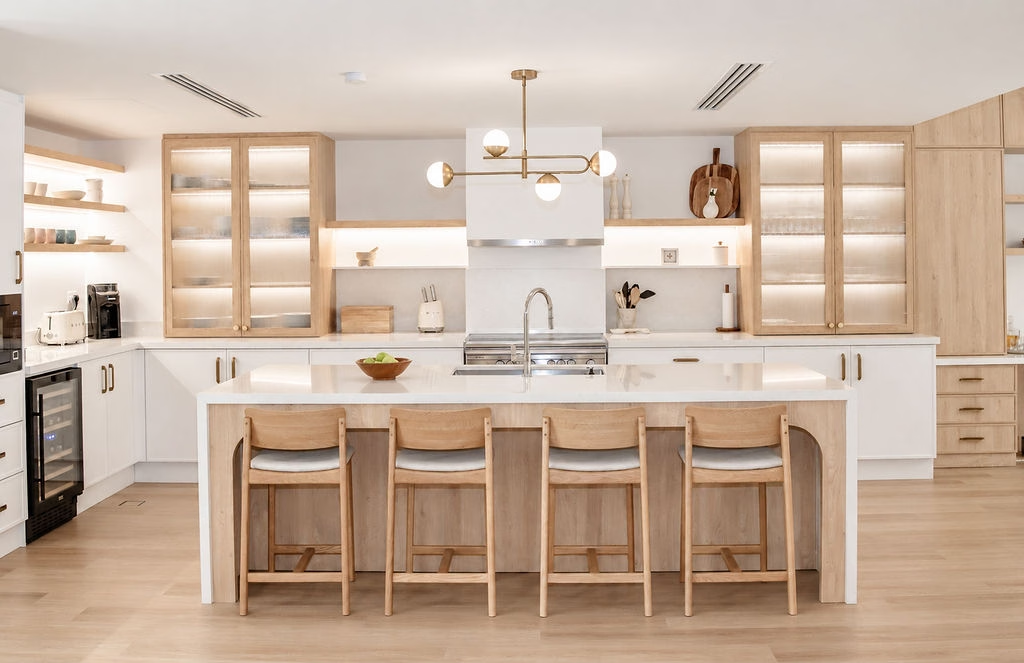
Want that clean, seamless kitchen island for photos? We’ll design a hidden prep pantry behind a pocket door where the real cooking prep happens. Want an ultra-stylish, uncluttered living room? We’ll hide your television behind custom art panels and build secret toy or game storage directly into custom bench seating.
You get the gorgeous, head-turning aesthetics, but tailored entirely to your real life.
Designing a Space That Serves You
When you choose interior design for real life, your home transforms from a high-maintenance backdrop into an empowering sanctuary. It embraces your morning rush, honors your evening rituals, accommodates your messy afternoons, and cradles your quiet moments.
Ready to ditch the social media traps and design a home built around how you actually live?
At Tünde Hendricks Design, we bridge the gap between elevated aesthetic beauty and practical, daily functionality.
FAQs
A Daily Rhythm Audit is a design approach that maps out your hour-by-hour habits, rituals, and routines before planning a home layout or selecting finishes. Instead of designing for social media trends, an audit identifies your daily friction points—like entryway clutter, kitchen traffic bottlenecks, or poor task lighting—so your home can be tailored to support real life seamlessly.
Yes! You don’t have to sacrifice light-colored furniture for practicality. Modern fabric technology—including high-performance textiles (like Crypton), stain-resistant treatments, and professional upholstery nano-coatings—allows light linens and plush creams to repel spills, muddy paws, and daily wear effortless while remaining easy to clean.
Natural marble holds up beautifully in high-traffic kitchens when properly sealed and maintained over time. If you prefer a virtually zero-maintenance material that resists high heat, scratching, and staining without requiring periodic sealing, high-end ceramic slabs or durable quartz are excellent practical alternatives.
Floating shelves bring architectural balance and airiness to a kitchen layout, making them a intentional design choice rather than just a photo trend. The key to keeping them practical is pairing them with concealed functional storage—such as appliance garages or bi-fold cabinets—to hide daily clutter like blenders and cereal boxes while keeping your open shelves effortlessly styled.
