
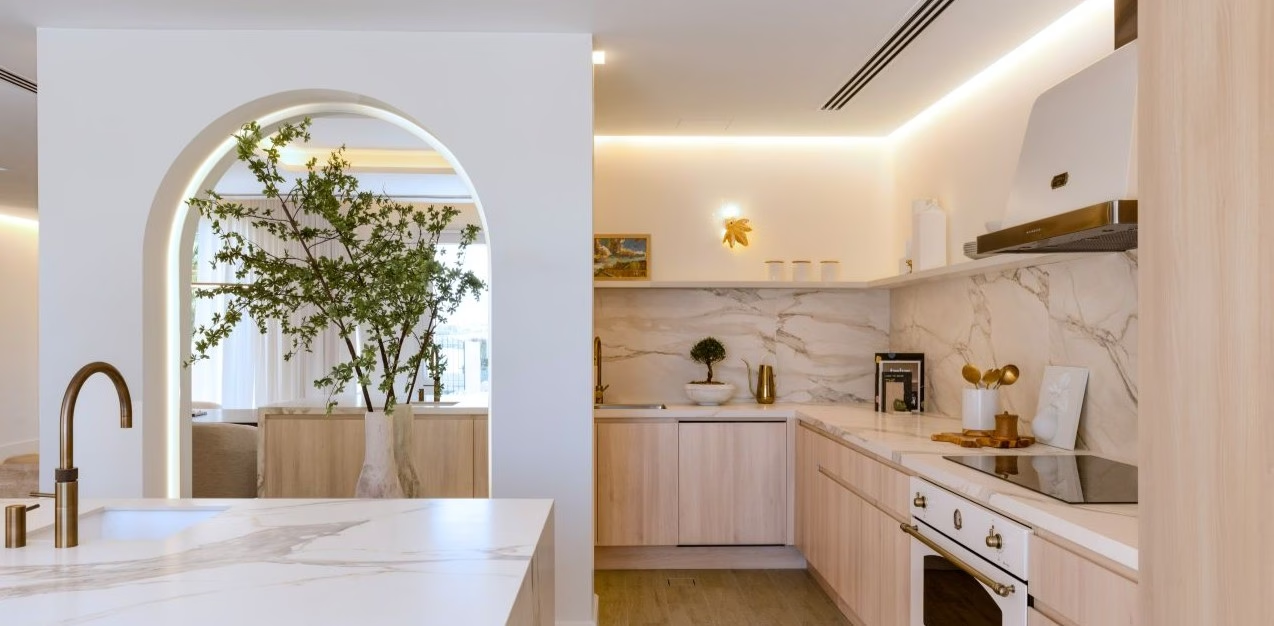
In this post, we share our 5 kitchen design tips to help you build a kitchen that’s both beautiful and functional. Designing a kitchen is more than picking pretty cabinets and shiny appliances. It’s about creating a space that fits your lifestyle, your family, and your daily habits. These are essential points to consider to make sure your kitchen truly feels like the heart of your home.
1. How will you use your kitchen and who will use it?
Before you dive into colours or materials, ask yourself: How do you use your kitchen? Who is using it? What do you want your kitchen to do?
These questions shape the entire design. For example:
- If you have a maid cooking, you might prefer a closed kitchen to keep mess and noise away from the living areas.
- If you cook for your family yourself, an open-plan kitchen connected to the living room lets you keep an eye on the kids and chat while you work.
- If a private chef comes over, you might want a live kitchen where you can watch the chef in action, complemented by a hidden butler’s pantry for prep work.
- If you rarely cook and rely on help, a completely separate kitchen area might be ideal.
Knowing your kitchen’s role helps you design a space that truly works for your lifestyle.
2. Make a must-have and nice-to-have list
Designing a kitchen often means compromise between space, budget, and aesthetics. Creating a clear priority list can make decision-making easier.
What can’t you live without? What features would be nice but aren’t deal breakers? For instance, you might prioritise a large island for family gatherings over a double oven, or vice versa.
Having a clear priority list is one of the best kitchen design tips we can offer. It helps you balance space, budget, and style without losing sight of what matters most.

3. Lighting is more important than you think
Good lighting can transform your kitchen from functional to fabulous. Think about:
- Natural light: big windows or skylights to brighten the space by day
- Task lighting: under-cabinet or countertop lighting so you can prep safely and easily
- Ambient lighting: chandeliers or pendant lights over islands to create atmosphere at night
Lighting layers help you adjust the mood and functionality depending on the time and activity.
4. Integration and appliances: design with flow
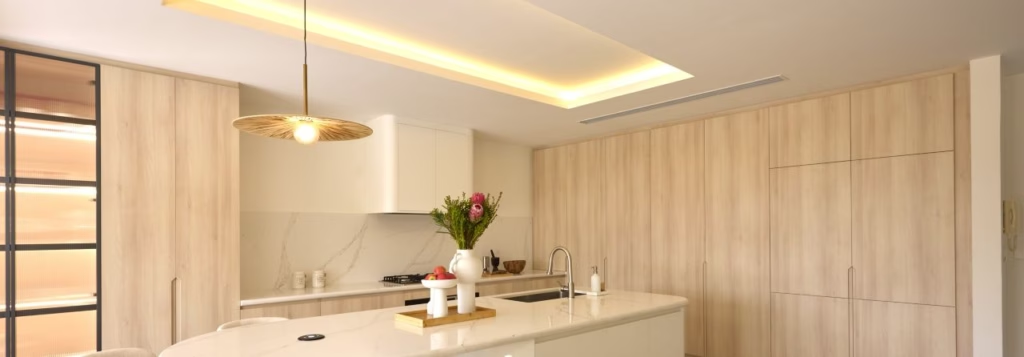
Modern kitchens look best when appliances blend seamlessly with cabinetry. Think built-in fridges, microwaves and dishwashers. This creates a sleek, cohesive look.
But sometimes appliances are the star, like an antique cooker or a statement oven. If that’s the case, design around those features to highlight them.
And don’t forget power points! They are often overlooked but critical for small appliances, phone chargers, and more. And especially on kitchen islands. It’s much harder (and costly) to add power points once the kitchen is built, so plan carefully.
For inspiration, check out our recent project where the cooker with a built-in hood is installed on an island, allowing a clear view into the living room. This perfectly combines modern technology with open-plan living.
And for inspiration, check out these clever kitchen layout ideas from Homes & Gardens, which are full of practical kitchen design tips to spark your creativity.
5. Storage and smart layouts: keep it simple and practical
Storage can make or break a kitchen. Too many upper cabinets can clutter the room and make it feel cramped. Instead, balance closed storage with open or glass cabinets to create focal points.
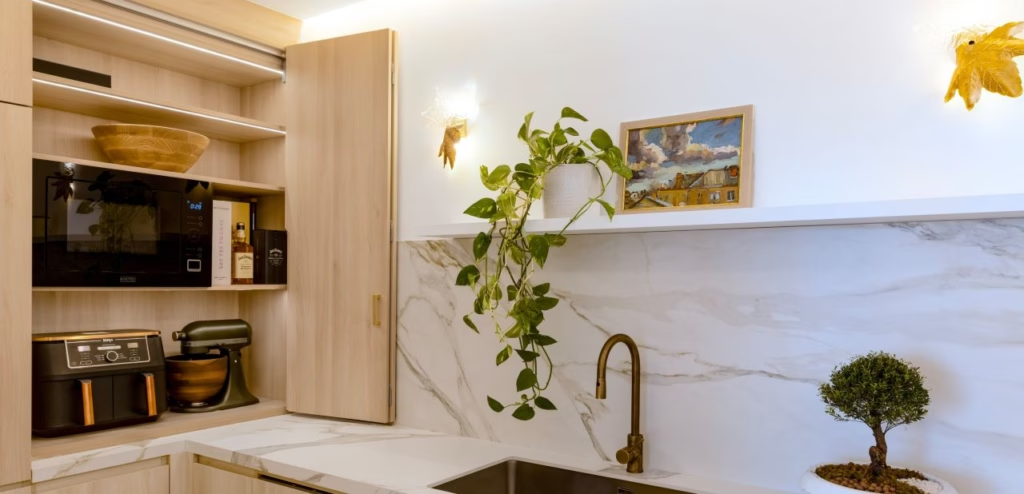
Plan for dedicated cabinet space for small appliances like air fryers and crockpots so they don’t take up precious countertop space. If you have room, consider a coffee station: it’s a delightful luxury that keeps counters tidy.
Bonus: embrace technology and innovation
Kitchen technology is evolving fast. For example, traditional cooker hoods required the stove to face a wall, limiting layout options. Now, built-in ventilation systems allow cookers on islands without bulky hoods breaking the flow.
Don’t be afraid to explore new advancements: they allow your kitchen to fit you perfectly rather than sticking to old norms.
Last advice: create a vision you love and make it personal with artwork
Designing your dream kitchen is about more than just function — it’s about crafting a space that feels truly yours. Start by creating a vision board that reflects your favourite colours, materials, styles, and layouts. This helps keep your design focused and ensures everything works together beautifully.
Don’t forget to make it personal. Artwork is a wonderful way to bring warmth, personality, and life into your kitchen. Whether it’s a cherished family photo, a bold painting, or something quirky that sparks joy, art turns your kitchen from just a workspace into the heart of your home — a place where memories are made and shared.
By blending practical design choices with personal touches like artwork, you’ll create a kitchen that’s not only beautiful and efficient but also uniquely yours.
FAQs
Start by considering how you and your household use the space. Open-plan kitchens suit family interaction, while closed kitchens work well for hired help or private chefs. Your daily habits will guide the best layout for function and flow.
Both are important, but making a must-have vs nice-to-have list helps. Decide which features—like a large island, double oven, or coffee station—are essential, and plan storage around them to keep surfaces uncluttered and functional.
Very. Layered lighting—natural light, task lighting, and ambient lighting—ensures your kitchen is practical for cooking, prep work, and entertaining, while also creating a welcoming atmosphere.
Absolutely. Modern innovations, like built-in ventilation for cookers on islands or smart appliances, allow you to maintain sleek, cohesive aesthetics while improving functionality. Planning ahead ensures the tech works seamlessly with your layout.
Incorporate artwork, colour, and materials that reflect your style. Even functional kitchens benefit from personal touches that turn the space into the heart of your home, making it warm, inspiring, and uniquely yours.
